
A portable monitor gives you a second screen without the bulk of a desktop — plug it into your laptop via a single USB-C cable and you’re working, gaming, or watching content on the go. In South Africa, where remote work and hybrid setups are common, a quality portable monitor can be a game-changer if you pick the right size and connectivity for your needs.
This guide covers what matters when choosing a portable monitor in 2026, with local prices and availability in mind.
Portable monitors typically range from 13.3 to 17.3 inches. Here’s how they compare:
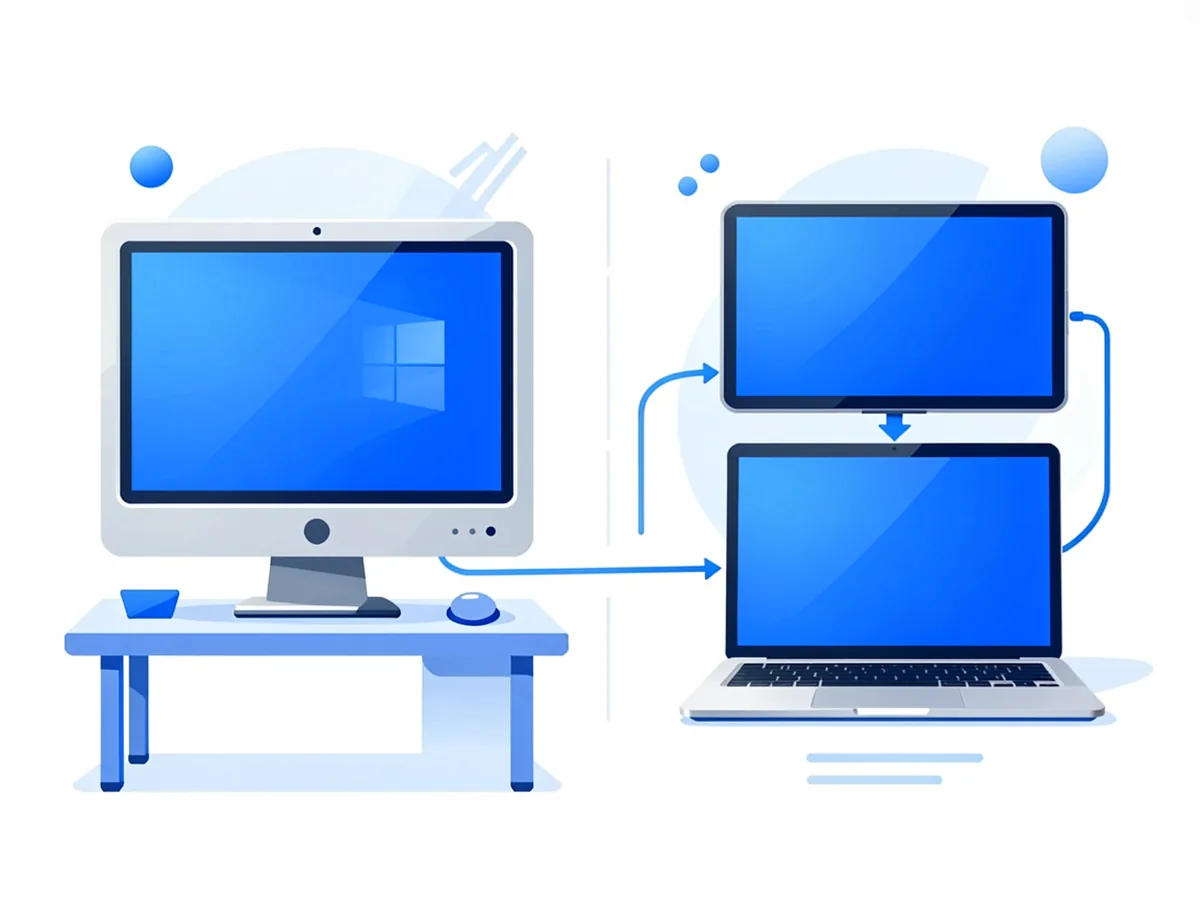
Portable vs Desktop: Size and Portability Comparison:
Alt: Side-by-side comparison of a traditional bulky desktop monitor versus a slim portable monitor connected to a laptop
Prompt: Side-by-side illustration showing a traditional bulky desktop monitor on a desk on the left, and a slim portable monitor connected to a laptop on the right, comparison of size weight and portability, clean infographic style on white background, brand blue #0056FF accents, no text, no labels
| Size | Best for | Portability | Price range (ZAR) |
|---|---|---|---|
| 13.3″ – 14″ | Travel, ultrabook users | Fits in most laptop bags | R800 – R1,500 |
| 15.6″ – 16″ | Most users, general work | Fits in large bags or carry-on | R1,000 – R2,000 |
| 17.3″ – 17.3″ | Desktop replacement, gaming | Needs dedicated case | R1,500 – R2,500 |
For most people, a 15.6″ or 16″ model hits the sweet spot — large enough for productivity, compact enough to actually carry.
How you connect the portable monitor matters more than size. Two main options exist:
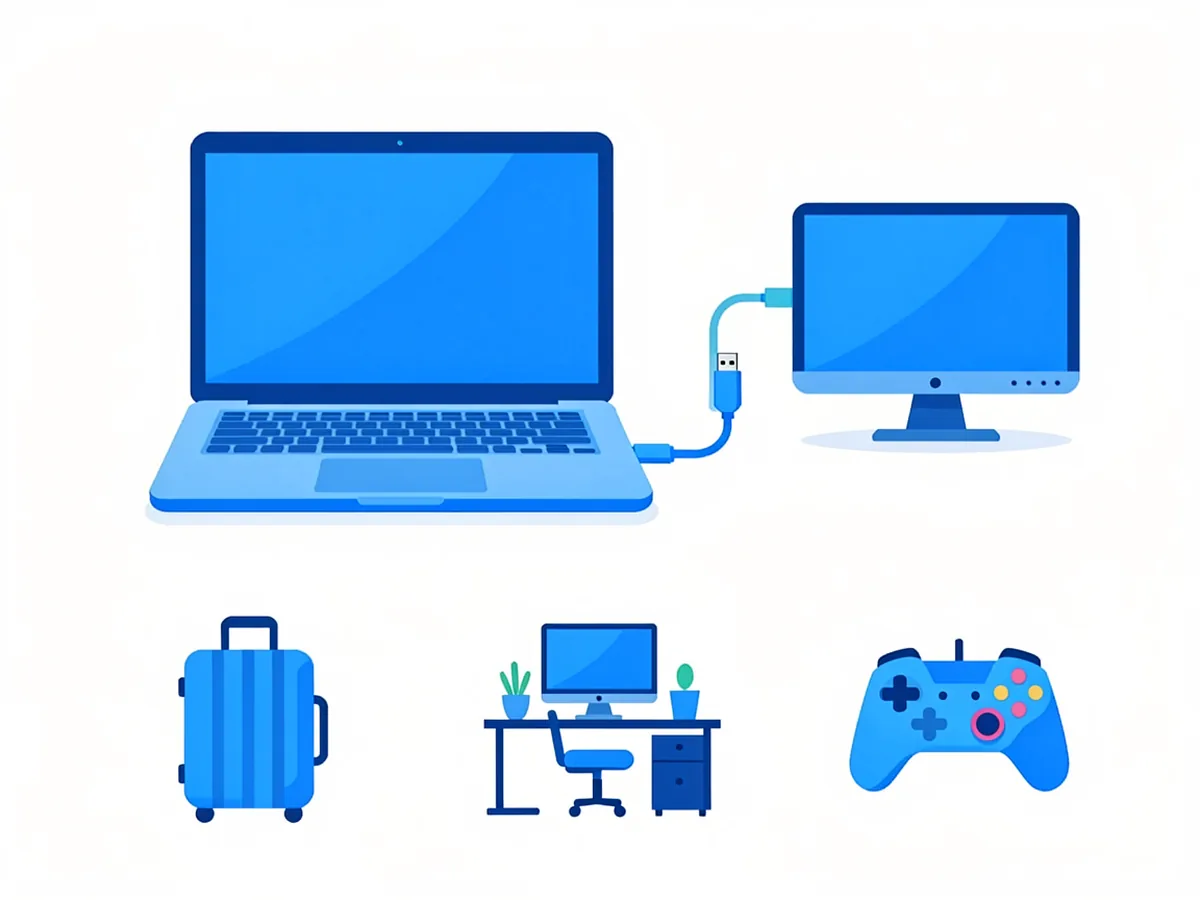
USB-C Single-Cable Setup: Travel, Work, and Gaming:
Alt: Infographic showing USB-C single cable connecting a laptop to a portable monitor for travel and work use cases
Prompt: Clean flat vector infographic on white background showing a laptop with a single USB-C cable connecting to a small portable monitor, three icons below showing use cases: travel suitcase, home office desk, and gaming console controller, minimal geometric style, brand blue #0056FF palette, no text, no labels
Modern USB-C ports can carry video, data, and power over a single cable. If your laptop has a USB-C port with DisplayPort Alt Mode, you only need one cable for everything:
If your laptop only has HDMI or no USB-C port, you’ll need a USB-C to HDMI adapter or a direct HDMI cable. This works fine but uses two cables and doesn’t charge your laptop.
USB-C is the clear winner if your devices support it. HDMI is still common and perfectly functional for older laptops or budget setups.
A portable monitor isn’t for everyone. Here’s when it makes sense:
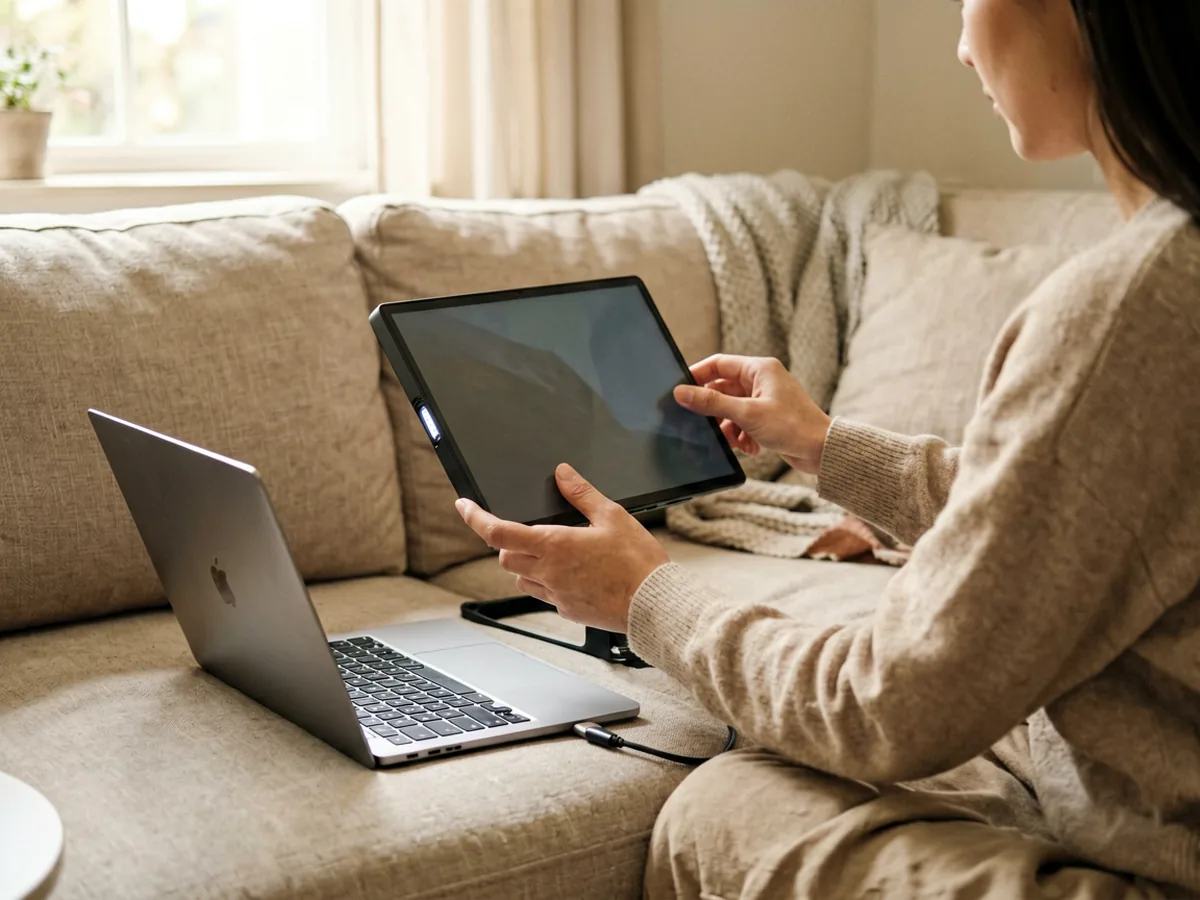
Home Setup: Portable Monitor on the Sofa:
Alt: A person using a portable monitor on a sofa in a cozy home environment with warm natural lighting
Prompt: Photorealistic scene of a person using a portable monitor on a sofa or bed, laptop beside it connected via USB-C, cozy home environment, warm natural light from a window, no logos, no text
Glossy screens look great indoors but reflect light like mirrors outside. For outdoor or variable-light use, choose a matte anti-glare finish.
Some portable monitors come with a built-in smart cover that doubles as a stand. Others require a separate case or tripod mount. Check what’s included — buying accessories separately adds to the cost.
A 15.6″ screen at 1366×768 will look pixelated. Stick to FHD (1920×1080) minimum, ideally IPS panel for better viewing angles and colour accuracy.
If you’re gaming, a 60Hz minimum is essential. Some models offer 120Hz or 144Hz — worth it if gaming is a primary use case, unnecessary for office work.
Prices vary by size, panel quality, and brand. Here’s a rough guide for 2026:
| Category | Price range (ZAR) | Examples |
|---|---|---|
| Budget (14″ – 15.6″, FHD, no extras) | R800 – R1,200 | No-name brands, Takealot generics |
| Mid-range (15.6″ – 16″, FHD, USB-C PD) | R1,200 – R2,000 | ViewSonic, ASUS, POTATOTECH 16″ |
| Premium (17.3″, high refresh, matte finish) | R2,000 – R3,500 | Asus ZenScreen, Dell UltraSharp portable |
Check Takealot, Incredible Connection, and local computer shops for current pricing. Prices tend to drop during Black Friday and back-to-school sales.
For light work and travel, yes. For professional colour work or gaming, a larger desktop monitor is still better. A portable monitor is best as a secondary screen — not a full desktop replacement.
If your laptop has a USB-C port that supports video output (DisplayPort Alt Mode), it will work. Most modern laptops do. If your laptop only has HDMI, you’ll need an adapter or a direct HDMI cable.
Yes — most portable monitors are under 1kg and fit in a laptop bag. They work with USB bus power, so no separate power adapter needed. Just ensure your device has the right ports.
For casual gaming (Switch, Steam Deck, mobile games), yes. For competitive PC gaming, a desktop monitor with higher refresh rates and faster response times is better.
Use a USB-C to USB-C cable that supports video output. Not all USB-C cables carry video — check the cable spec or use the one that came with your monitor.
Discrepancy Notice: Our online shop is still under preparation. Product prices, availability and shipping options are subject to change. This article is for informational purposes only — for product or compatibility questions, contact us at support@potatotech.co.za.
Want more screen-related guides? Read our monitor buying guide for desktop screens, or learn about USB-C hubs that expand your laptop ports.
Cracked iPhone back glass? Learn DIY vs professional replacement costs in South Africa, how long it takes, and when to seek help.
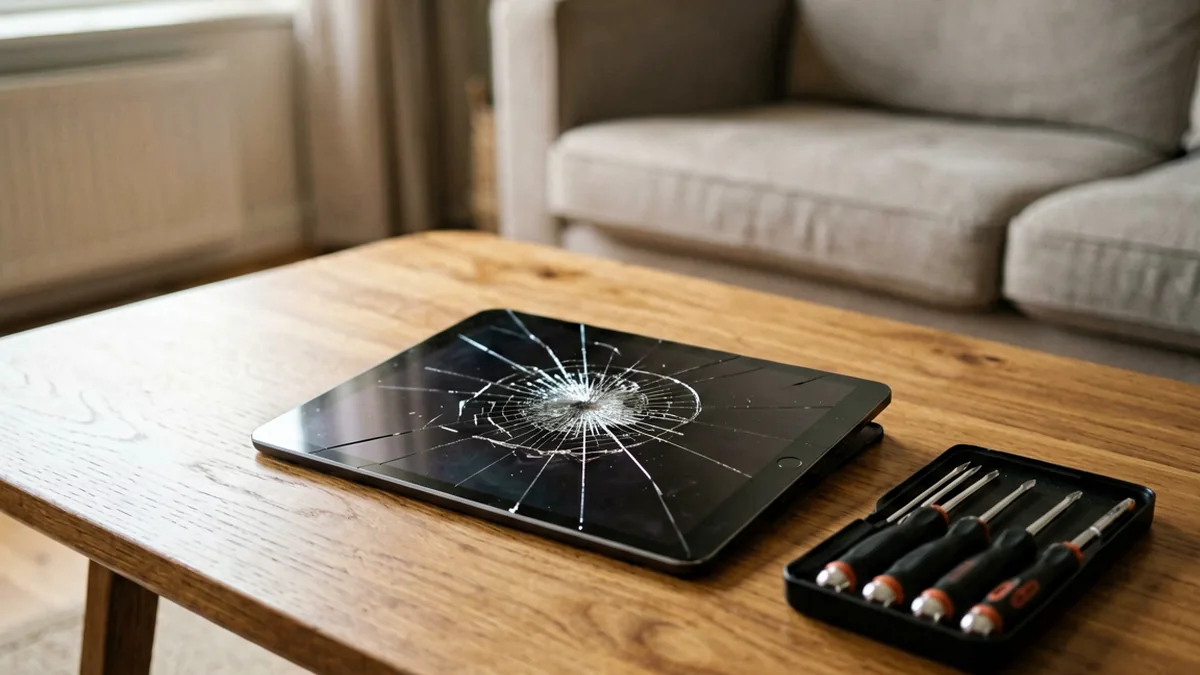
How much does an iPad screen replacement cost in South Africa? Compare DIY vs professional repair costs for all iPad models.
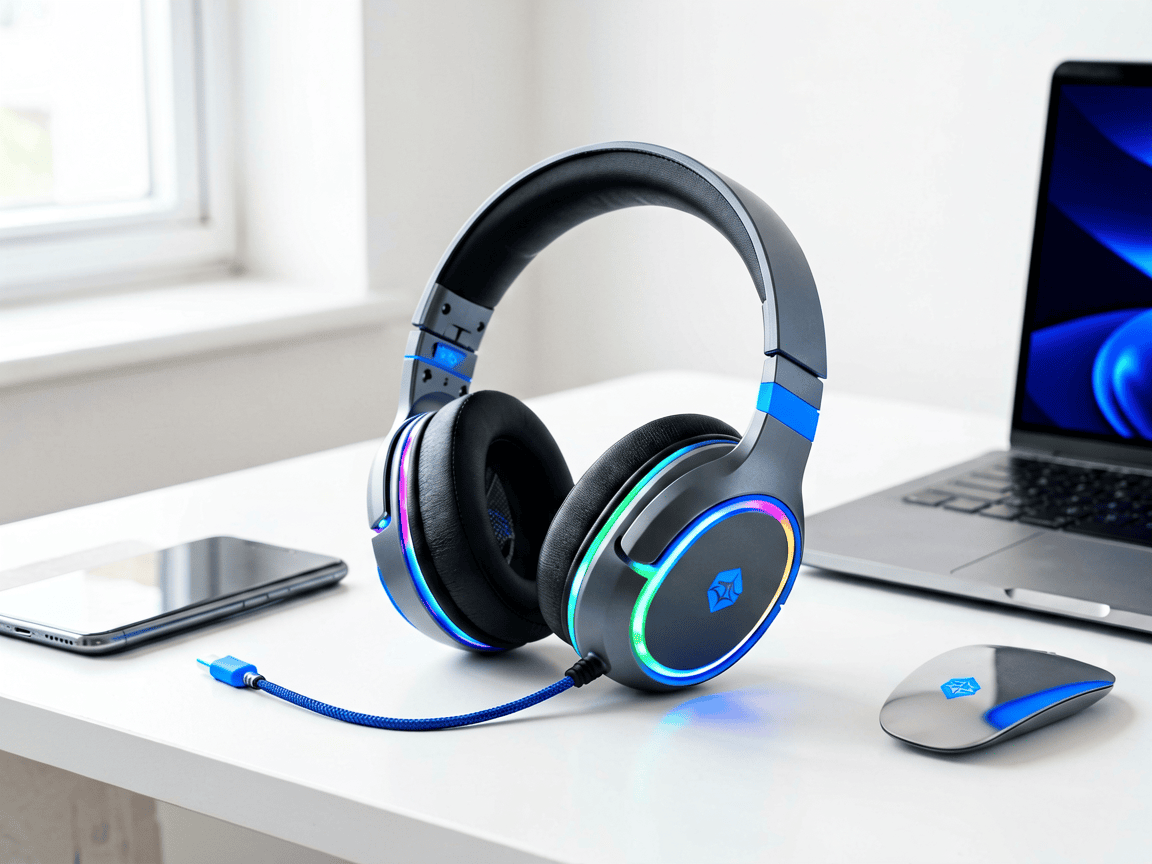
Choosing the right Bluetooth headphones in South Africa isn’t just about picking the first pair you see. Whether you’re commuting on the Gautrain, working from home, or gaming online, the right headphones make a real difference to your experience—and your wallet. This guide breaks down what actually matters when you’re shopping for wireless headphones in […]