
Most people buy a phone repair tool kit, open the box, and immediately regret it. The screwdrivers feel flimsy, the tweezers slip, and half the plastic tools snap after one use. Here’s the uncomfortable truth: having tools doesn’t make you a repair technician — having the right tools does.
In South Africa, where import costs and local markups make every rand count, choosing the wrong kit can cost you more than just money. It can cost you your phone.
Your screwdriver set determines everything. Pentalobe bits for iPhones, Tri-Point for logic boards, Torx for Android devices — each requires precise sizing. Cheap kits use soft steel that strips screws within minutes.
Look for S2 steel or chrome vanadium bits with knurled grips. The difference between a R150 bit set and a R500 one becomes clear the moment your phone’s screen screws start rounding off.
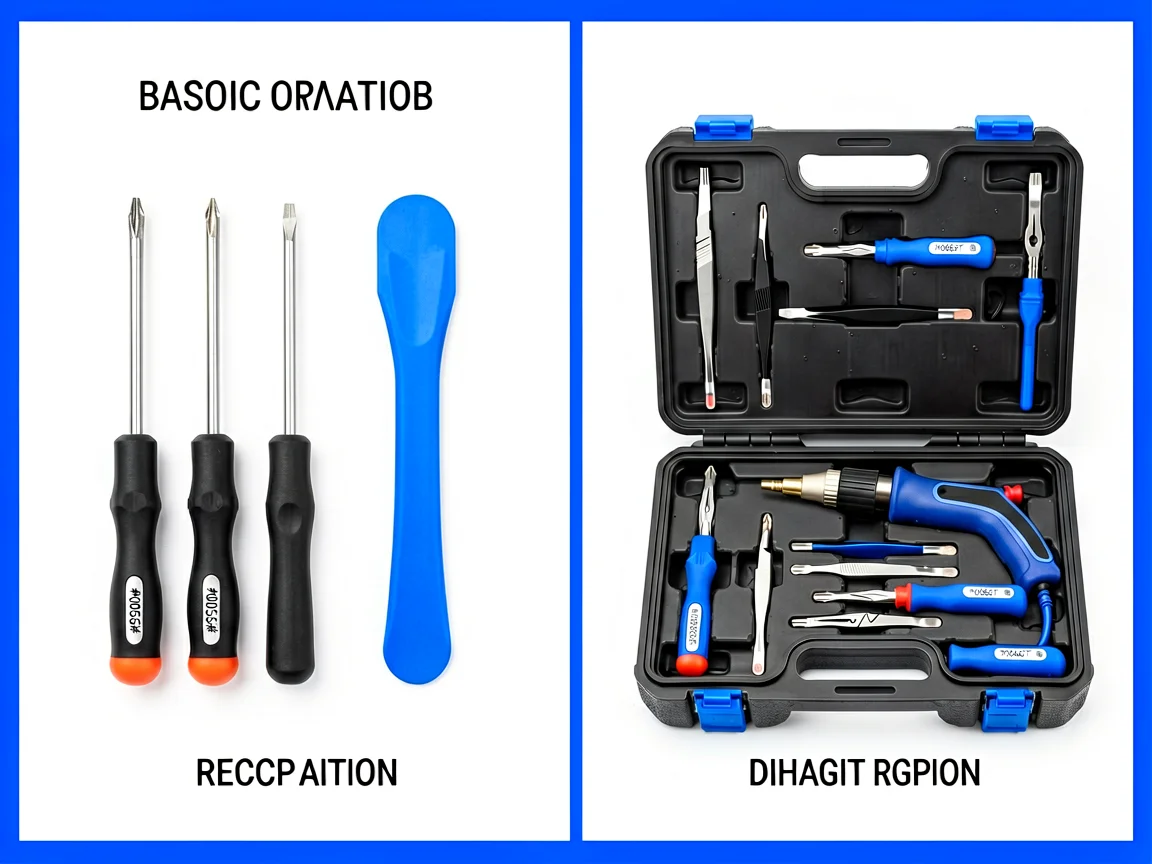
Plastic spudgers are fine for opening cases, but metal spudgers serve a different purpose — disconnecting battery connectors and delicate ribbon cables. The key distinction is between soft nylon-coated metal (won’t scratch components) and bare steel (potentially catastrophic).
Quality kits include both types. If yours only has plastic, consider adding a metal spudger set separately — they’re inexpensive and often sold individually at electronics shops across Johannesburg and Cape Town.
Standard tweezers pick up screws. Magnetic tweezers hold them. But here’s what most guides don’t mention: using magnetic tweezers near unpowered logic boards can induce currents that damage sensitive components.
The solution? Keep both types. Use non-magnetic for component handling near circuitry, magnetic for screw retrieval. This dual approach separates amateur repairs from professional ones.
Phone adhesive loosens at specific temperatures — typically 70–100°C for standard adhesives, higher for industrial-grade bonding. A hair dryer reaches these temperatures inconsistently; a proper heat gun maintains control.
For occasional repairs, a quality hair dryer suffices. For daily workshop use, budget for a temperature-adjustable heat gun. The initial investment pays for itself in reduced screen damage rates.
Starting around R250–R400 on Takealot and local electronics stores, these kits cover basic smartphone and tablet repairs. They include essential screwdriver bits, plastic opening tools, and basic tweezers.
Best for: First-time repair attempts, basic screen replacements, battery swaps on older devices.
Limitation: Missing precision tools for advanced work like micro-soldering or board-level repairs.
A dedicated soldering station (R400–R800) transforms your kit from basic to capable. Look for stations with temperature control between 200–400°C, interchangeable tips, and a stand with sponge or brass wool for tip maintenance.
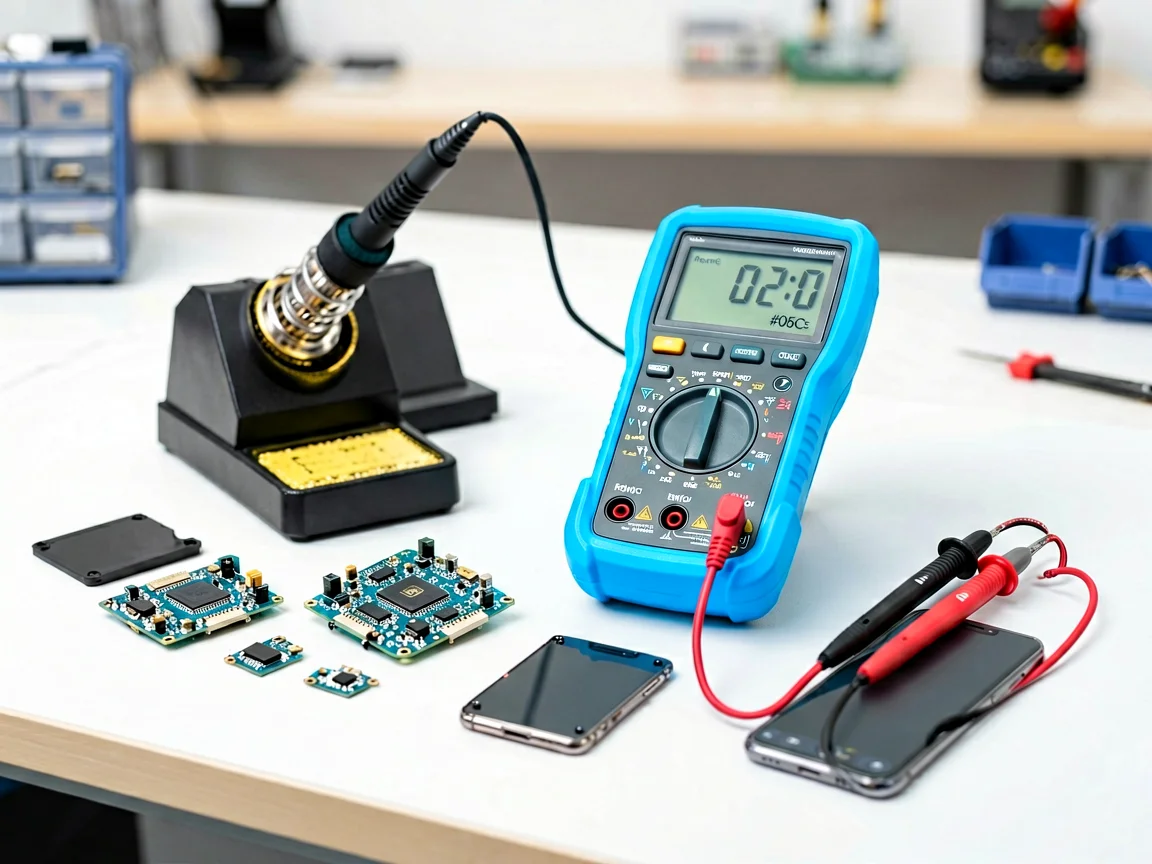
Load shedding protection: In South Africa, power fluctuations can damage sensitive soldering equipment. Consider a basic UPS or surge protector — the R150–R300 investment protects a R600+ soldering station from voltage spikes during Eskom load shedding cycles.
A digital multimeter (R200–R600 for basic models) enables diagnostic work beyond visual inspection. Check battery voltage, test continuity, verify power delivery — these skills separate component-level repair from part-swapping.
Essential measurements:
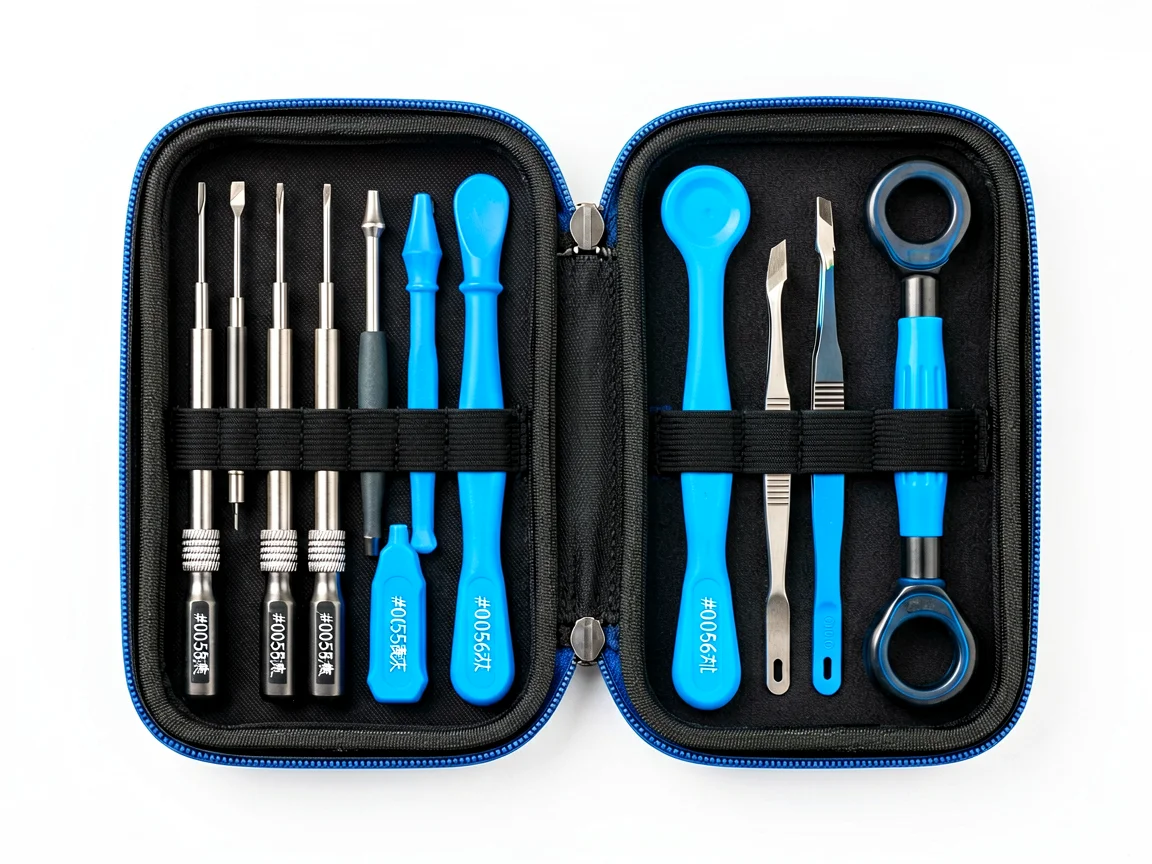
The tool kit market ranges from R100 generic sets to R2,000+ branded professional kits. Most intermediate users find the sweet spot in the R400–R800 range from reputable local suppliers.
Generic kits often cut corners on bit hardness and handle ergonomics. Branded options offer better warranty support and consistent quality — important when you’re working on someone else’s device.
For South African buyers, consider local availability and warranty claims. Imported kits may offer better specs, but returns and replacements become complicated through cross-border channels.
After completing your first few repairs with an entry-level kit, you’ll discover gaps. Common upgrade priorities:
South African context: During load shedding, ensure adequate lighting before starting work. Attempting repairs in poor conditions significantly increases the risk of component damage.
Joburg: Electronics shops in Braamfontein and CBD offer immediate pickup. Takealot and Incredible Connection provide nationwide delivery with warranty support.
Cape Town: Local specialists in Woodstock and CBD areas stock quality kits. Durban’s Florida Road electronics district is a growing hub for repair supplies.
Online imports: Possible but factor in shipping costs and warranty limitations. Local purchases offer better support for replacement parts.
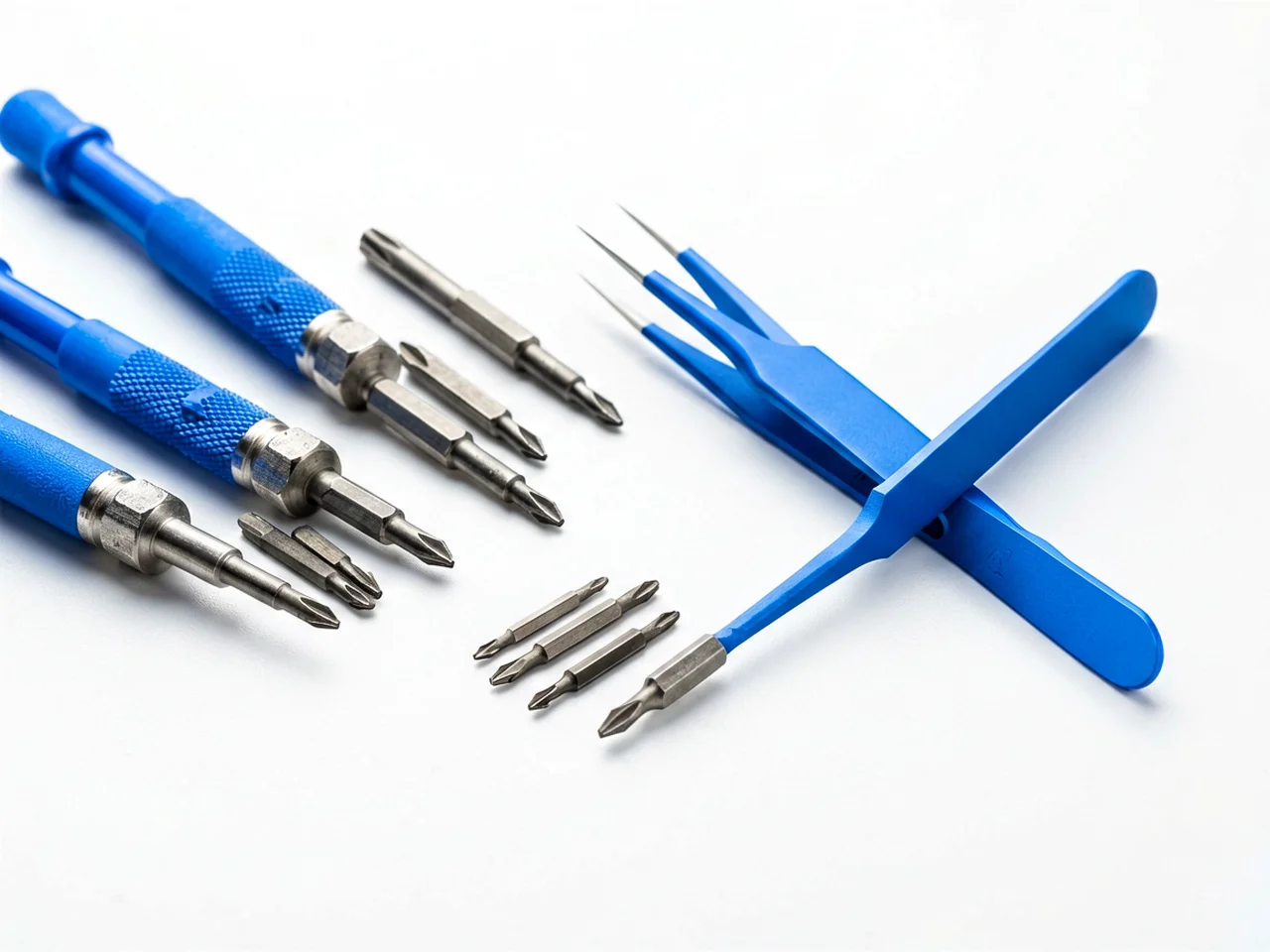
For basic repairs, R250–R400 gets a functional kit. For serious repair work including soldering capability, budget R800–R1,500 total across multiple tool purchases.
Can I use these tools for laptop repairs too?Most phone repair tools work for laptops, though laptop repairs often require larger screwdriver bits and different pry tools. A quality phone kit covers 80% of laptop tasks.
Where can I buy quality repair tools in South Africa?Major retailers include Takealot, Incredible Connection, and specialized electronics shops in major cities. Online options include local suppliers and direct imports, though factor in shipping costs and warranty limitations.
Do I really need a multimeter for phone repair?For basic screen and battery replacements, no. For diagnosing power issues, charging problems, or speaker failures, a multimeter becomes essential — it transforms guesswork into systematic troubleshooting.
Disclaimer: This article provides general guidance. Always exercise caution when repairing electronic devices. Working with batteries, soldering equipment, and small components carries inherent risks. If unsure, consult a professional repair technician.
Related Reading: What Tools Do You Need to Repair a Phone? | How to Solder for Beginners | Best Phone Repair Tool Kit
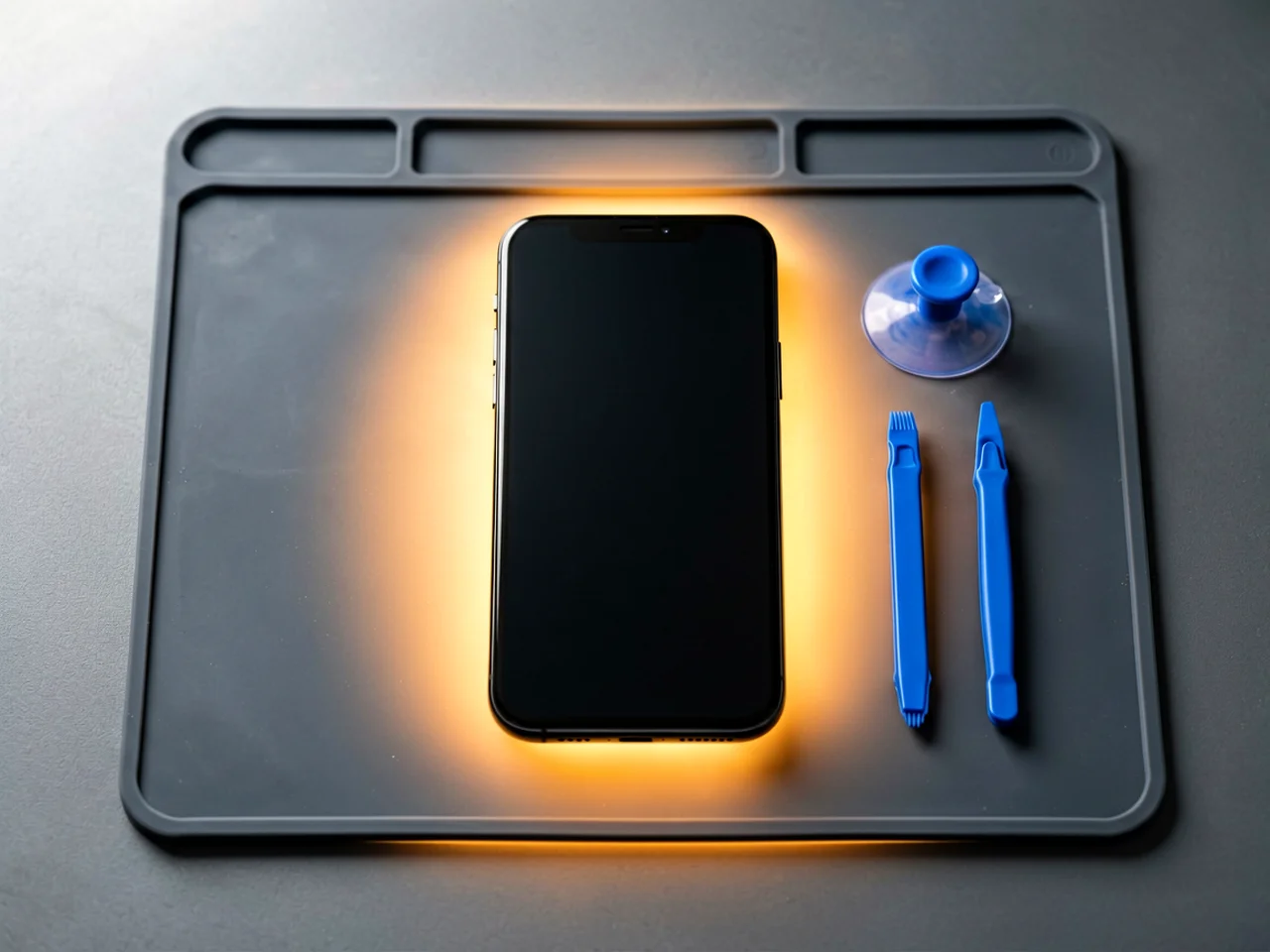
Most cracked phone panels don’t come from a shaky hand. They come from the wrong temperature. Heat the adhesive too little and the glass fights you until it snaps. Heat it too much, or in one spot, and you cook the panel underneath instead — which is how “repair” turns into “replace”. This guide is […]
You tap an app and nothing happens for ten seconds, then the whole screen freezes mid-animation. You wait, you tap again, the phone buzzes once and sits there. Sometimes a restart clears it for a day, sometimes it freezes again as soon as you open WhatsApp, and sometimes it started after an update or when […]

You open Maps or your taxi-hailing app, and the blue dot never settles, or it places you three streets away. You stand outside with a clear sky above you, and the phone still takes minutes to lock on, or it locks on and then drops your position into the middle of a field. Sometimes the […]