POTATOTECH is currently in pre-launch. Product information and repair guides are available to browse. Online ordering and payment are not yet available.
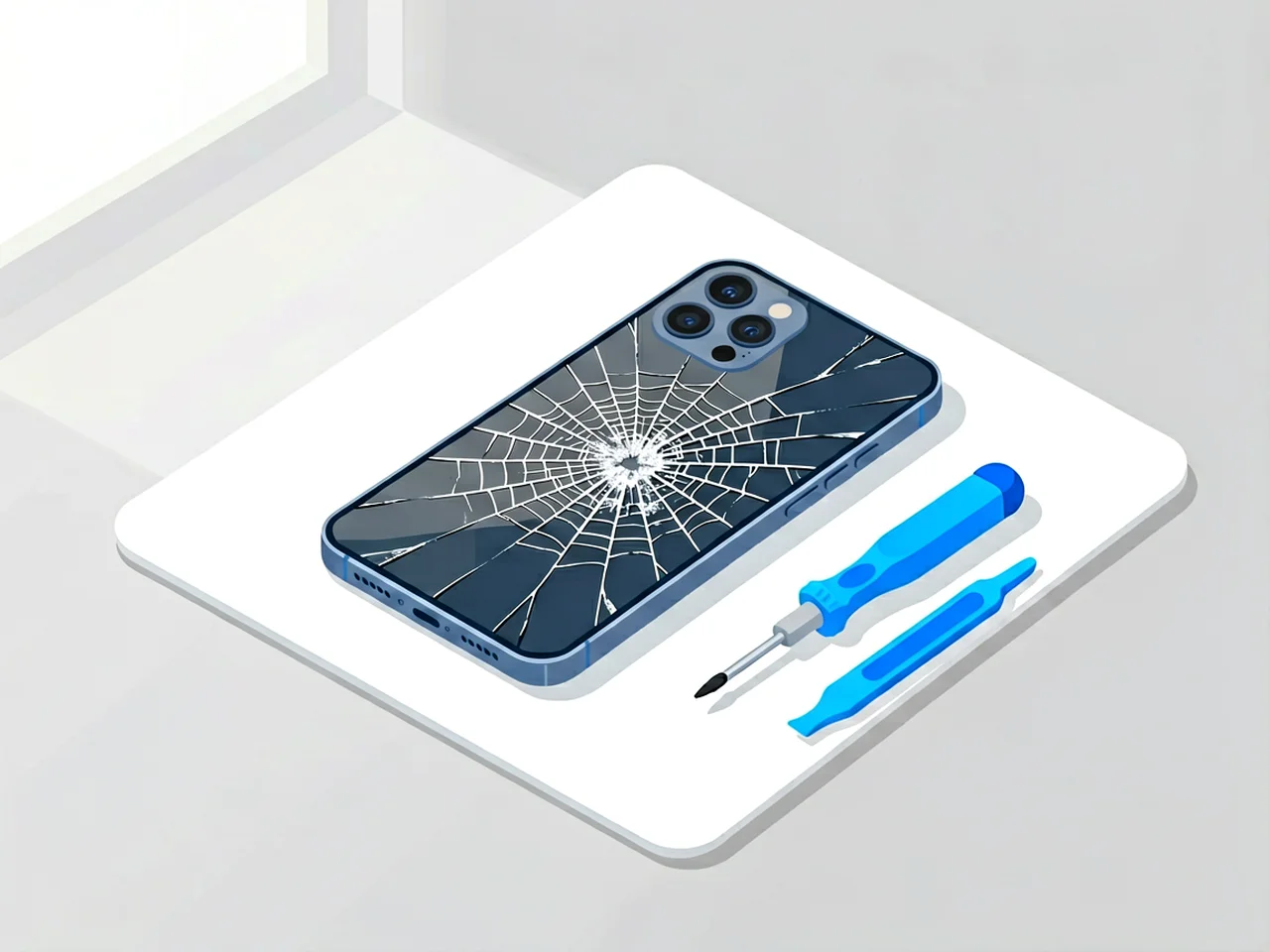
Your iPhone’s back glass does more than look good. It covers the wireless charging coil, holds the camera lens in position, and forms the seal that keeps dust and moisture out. When it cracks, all three of those jobs get harder, and ignoring the damage can lead to more expensive problems down the line.
Back glass damage happens everywhere in South Africa—on stairs at home, in parking lots at the mall, and when getting out of taxis after a long day. The question is whether you repair it yourself or take it to a professional shop. This guide covers the realistic costs across South Africa, what each option actually involves, and how to decide which path makes sense for your situation and budget.
Why Back Glass Matters More Than You Think
Most people focus on the front screen when their iPhone gets damaged, but the back glass serves critical functions beyond aesthetics:
Wireless charging. MagSafe and Qi charging work through the back glass. Cracks or misalignment can interfere with charging efficiency or stop it entirely.
Camera protection. The camera module is bonded to the back glass. A crack near the lens often means the seal is compromised, allowing dust inside.
Water resistance. The adhesive around the back glass creates part of the iPhone’s seal against moisture. Once cracked, that protection is gone.
Structural integrity. The back panel helps maintain the phone’s rigidity. Cracks can spread and affect the frame over time.
Understanding these functions helps you prioritize repair, especially if you rely on wireless charging or live in areas with heavy rain.
Signs Your iPhone Back Glass Needs Replacement
A cracked back panel is easy to see, but the harder question is whether the damage has reached anything underneath. Check for these signs:
Visible cracks or chips. Even hairline fractures tend to spread as the phone heats up during charging and cools down afterwards. Temperature cycles stress the glass.
A camera lens that moves. The camera module is bonded to the back glass, so a crack near the lens usually means the seal is broken too.
Wireless charging that has stopped or slowed. MagSafe and Qi charging need a flat, unbroken surface. Cracks interrupt the magnetic alignment and charging efficiency.
Water resistance lost. If your phone was water-resistant before and you’ve had exposure to moisture since the crack appeared, the seal is likely compromised.
Sharp edges. Cracked glass cuts fingers and snags on fabric in your pocket or bag.
Don’t ignore small cracks hoping they will heal themselves. Glass damage only worsens with use, and the repair cost increases as the problem spreads.
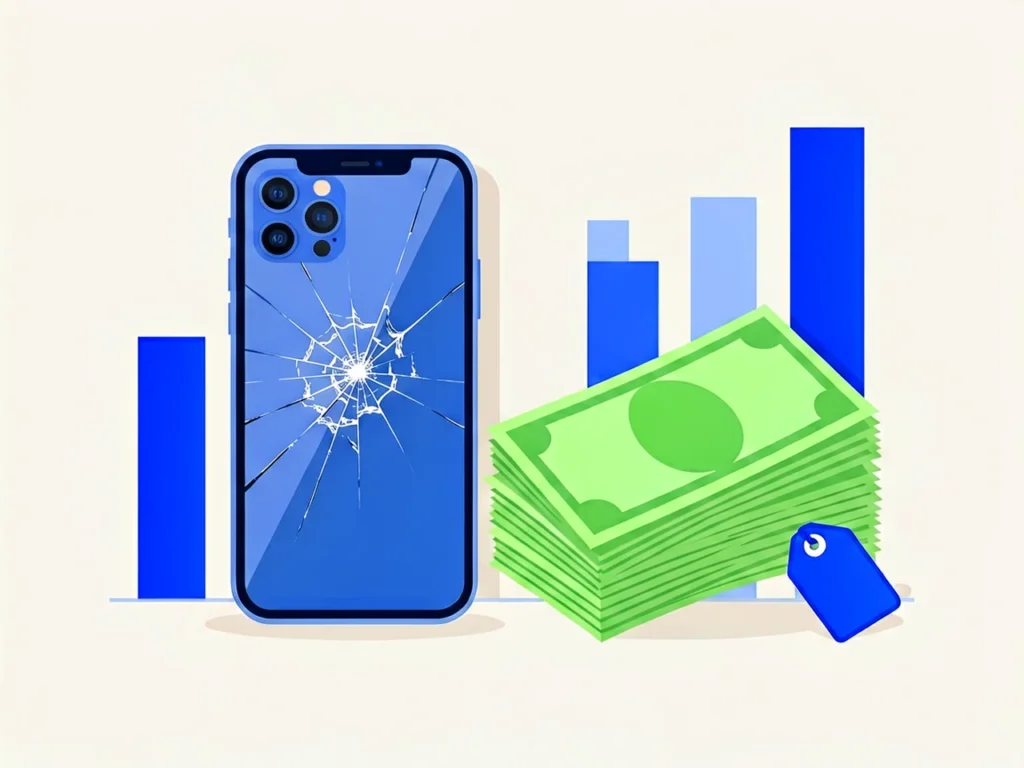
iPhone Back Glass Replacement Cost in South Africa (2026)
These are indicative ranges based on publicly listed quotes from independent repair shops in Johannesburg, Cape Town, and Durban:
iPhone Model
DIY Kit Cost
Professional Repair
iPhone 8 / X / XR
R150–R300
R800–R1,200
iPhone 11 / 12
R200–R400
R1,000–R1,500
iPhone 13 / 14
R250–R500
R1,200–R1,800
iPhone 15 / 16
R300–R600
R1,500–R2,500
Johannesburg and Cape Town tend to quote 10 to 15 percent more than Durban or Pretoria. Ask for a written quote before you hand the phone over, and clarify whether the price includes glass only or full back panel replacement.
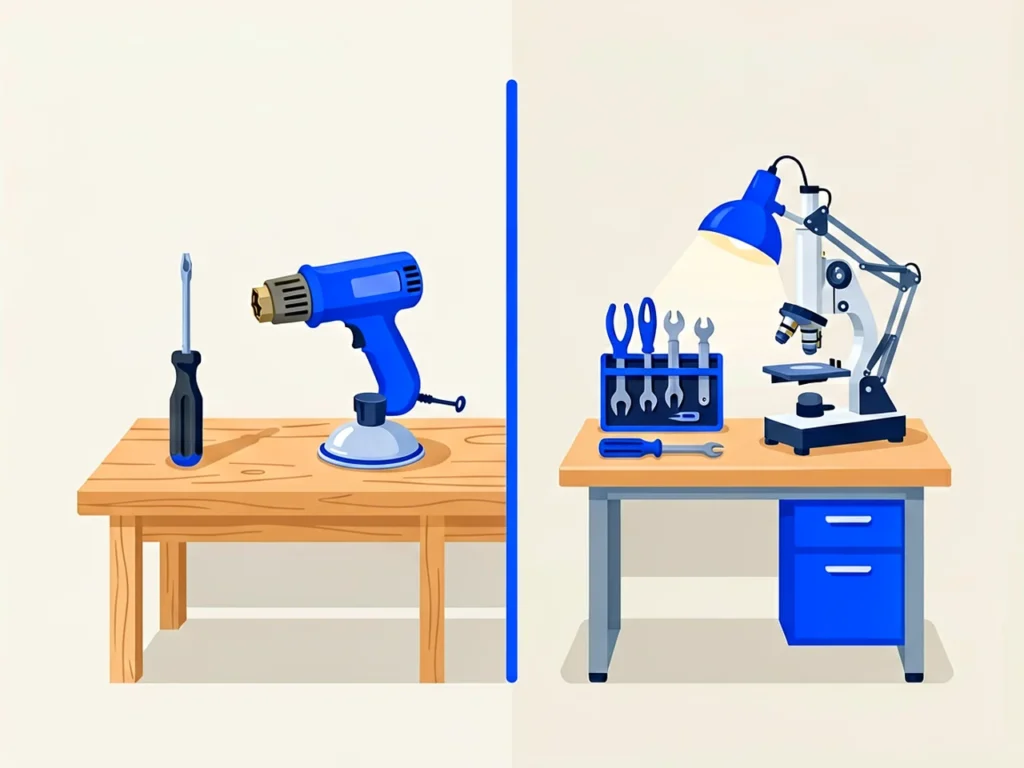
DIY vs Professional Back Glass Replacement
Back glass is harder to replace than a screen because there’s no panel to unclip. You heat the adhesive until it softens, lift the broken glass without bending the frame, clean off the old glue and apply new adhesive – all while the battery sits a few millimetres away.
What DIY Actually Involves
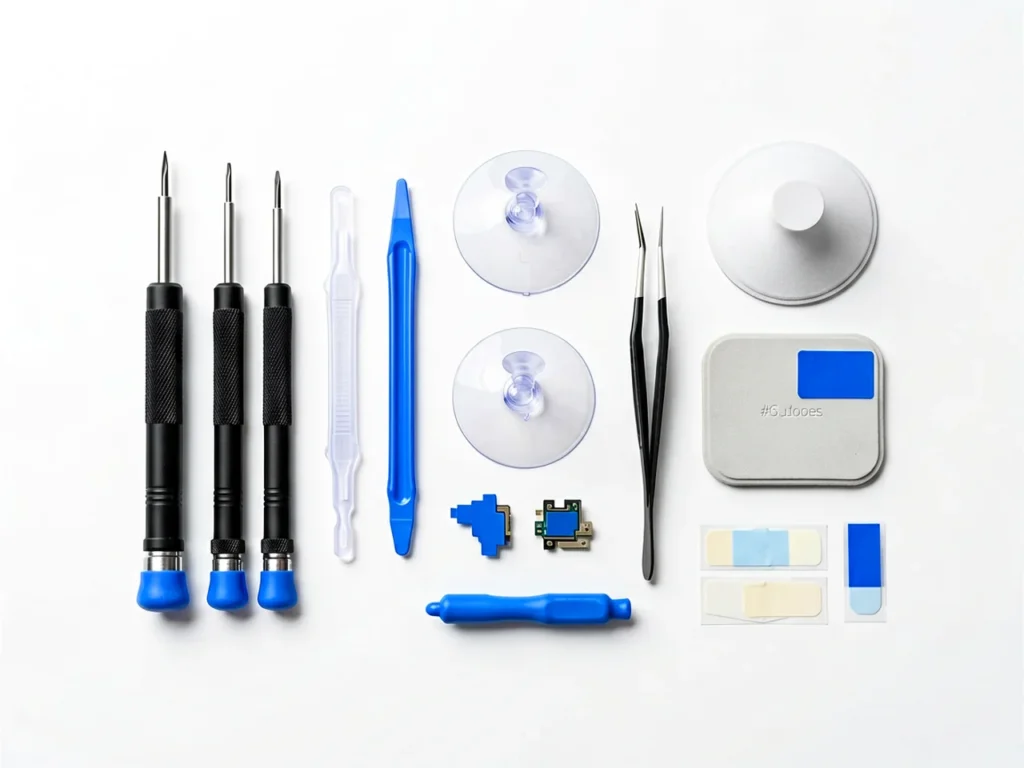
Kits available on Takealot and Amazon SA cost R150–R400 and include basic tools and adhesive strips
Saves R800–R1,500 compared to professional services if you succeed
You keep the phone while it’s being repaired, rather than leaving it for days
You need a heat source, plastic spudgers, and pre-cut adhesive – most households don’t have these
The battery sits directly under the back glass. Puncture it and it can catch fire
Aligning the MagSafe ring by hand is difficult. Get it wrong and charging slows down or stops
You will not get the original level of water resistance back
What a Repair Shop Does Differently
Technicians have specialised equipment (heat plates, vacuum separators) that reduces risk
Proper adhesive application restores some water resistance, though not to factory spec
Warranty on workmanship (usually 30–90 days) gives you protection if something goes wrong
With the phone open, they can see problems you would not find otherwise
Costs R1,200–R2,500 depending on model and shop location
Turnaround time of 1–3 days for most independent shops
Glass quality differs from shop to shop. Ask whether the part is genuine Apple or aftermarket
How Long Does Back Glass Replacement Take?
A shop will usually finish in 60 to 90 minutes on an iPhone 8 through iPhone 14. The iPhone 15 and 16 take closer to two hours because the MagSafe assembly is more involved.
If you have not done this before, set aside two to four hours. iFixit rates back glass replacement as moderate difficulty, and that rating assumes nothing goes wrong. Budget for a second attempt if the glass does not lift cleanly the first time.
How to Choose the Right Replacement Glass
Replacement glass comes in different grades, and the difference between them matters more than most sellers let on:
Genuine Apple Parts. Apple does not generally sell back glass to independent shops. Most panels marketed online as “genuine” are in fact OEM parts made in the same factories that supply Apple’s assembly line. If a seller offers genuine Apple glass at a discount, treat the claim with suspicion.
OEM Replacement Glass. These panels usually cost 30 to 50 percent less than Apple-branded parts and perform the same for most people. Look for a supplier that states the grade in writing and warrants the panel.
Beware of Ultra-Cheap Options. Panels under R100 tend to have weak adhesive, the wrong thickness, or a colour that does not match the frame. Wrong thickness is the one that catches people out, because it affects wireless charging alignment.
When to Go Professional vs DIY
Choose a shop when:
Your iPhone is still under warranty or Apple Care+
You would rather not work with a heat source near a battery
Your MagSafe charging isn’t working (alignment is critical)
You need water resistance restored for daily use
The phone is an iPhone 12 or newer, where the MagSafe ring sits under the glass
DIY makes sense when:
Your phone is out of warranty and you’ve done similar repairs before
You are comfortable working from a step-by-step video guide
The crack is cosmetic and doesn’t affect functionality
You can accept the phone no longer being water resistant
FAQ
Can I use my iPhone with a cracked back glass?
Yes, but it’s not recommended. Cracked back glass compromises water resistance, can cut your hands, and may spread to affect internal components. If the crack is near the camera, it can cause focus issues and allow dust into the lens assembly.
Does back glass replacement affect wireless charging?
It can. Glass that is too thick or slightly out of position weakens the MagSafe alignment and slows Qi charging. OEM panels cut to the original specification generally charge normally, which is worth confirming with the seller before you buy.
How long does adhesive last after back glass replacement?
Adhesive applied by a shop generally holds for a year or two. Pre-cut strips in DIY kits tend to give out sooner, and heat speeds up the process either way. That matters during a Highveld summer when your phone gets warm from sun exposure.
Is it worth replacing back glass on older iPhones?
On an iPhone 8 through iPhone 11 the repair usually costs less than the phone is worth, so it makes sense, particularly if wireless charging has stopped or the crack is sharp enough to cut. On anything older, compare the quote against what the phone would sell for second-hand.
Can I replace just the glass without changing the colour?
Yes, if you choose a supplier that offers colour-matched glass. Black, white, and common colours are widely available. Rare colours may require ordering special stock or accepting a slight mismatch.
Understanding iPhone Back Glass Technology
iPhone back glass technology has evolved significantly across generations. Understanding these differences helps you choose the right repair option:
iPhone 8 through iPhone X. These models use standard glass back panels with aluminum or stainless steel frames. Repair is relatively straightforward with widely available parts.
iPhone XR through iPhone 12. Introduction of MagSafe changed the internal layout. The magnetic ring sits under the back glass, making alignment critical during replacement.
iPhone 13 through iPhone 16. Advanced MagSafe systems with stronger magnets and wireless charging coils require precise positioning. Misalignment causes charging failures.
The complexity increases with each generation, which explains why newer models cost more to repair. Professional technicians invest in specialized training and equipment to handle these advances.
The Real Costs of Ignoring Back Glass Damage
Many users delay repair hoping the problem will not worsen. Here is what typically happens when back glass damage is ignored:
Crack propagation. Hairline fractures spread with temperature changes and normal handling. A small crack can become a full fracture in weeks.
Camera lens damage. Cracks near the camera module allow dust and moisture inside, causing blurry photos and potential sensor damage.
Water resistance loss. Once the seal is broken, even light rain or sweat can damage internal components.
Injury risk. Sharp glass edges can cut fingers and contaminate pockets, bags, and bedding.
Resale value collapse. An iPhone with cracked back glass sells for 20–40% less than a comparable undamaged unit.
The cost of ignoring damage often exceeds the repair cost. A R1,200 repair now may prevent a R3,000 logic board replacement later.
Regional Repair Shop Quality Differences
Not all repair shops provide equal quality. Here is what to expect across South African cities:
Johannesburg. Highest concentration of specialists, including Apple Authorised Service Providers. Prices are 10–20% above national average but quality is generally consistent.
Cape Town. Similar pricing to Johannesburg with good options in both CBD and Southern Suburbs. Atlantic Seaboard shops tend to charge premium rates.
Pretoria. Often 5–10% cheaper than Johannesburg, with several reputable shops near universities serving tech-savvy customers.
Durban. Generally the most affordable option, with prices 15–20% below Johannesburg. Good quality providers exist in Umhlanga and Berea.
Other cities. Bloemfontein, Port Elizabeth, and Polokwane have fewer specialists but competitive pricing. Mail-in options access better expertise.
Location affects both price and availability. Rural areas may require mail-in repairs or travel to major cities.
Legal Rights as a South African Consumer
South African consumer protection law provides specific rights for repair services:
Consumer Protection Act (CPA). Requires repair services to be performed with reasonable care and skill. Defective work can be redone at no cost.
Right to information. You are entitled to a detailed quote before authorizing work, including parts and labour breakdown.
Warranty on repairs. Minimum 3 months warranty is implied by law for services, though many shops offer longer.
Dispute resolution. The National Consumer Commission provides guidance for unresolved repair disputes.
Always get quotes in writing and ask about warranty terms. Reputable shops welcome these questions.
DIY Repair Safety Guidelines
If you decide to attempt a DIY back glass replacement, follow these safety guidelines to protect yourself and your device:
Work in a clean, well-lit area. Dust and poor lighting make it harder to see small components and adhesive strips.
Use proper heat sources. Heat guns or iOpeners designed for phone repair work safely. Hair dryers often lack sufficient heat and can damage plastic components.
Protect the battery. Never puncture or bend the battery. Lithium batteries can catch fire if damaged. Work slowly around the battery area.
Organize screws and components. Use a magnetic mat or labeled containers to keep track of screws. Different lengths go to different locations.
Follow a step-by-step guide. iFixit and YouTube provide detailed instructions for specific iPhone models. Do not skip steps.
Have backup adhesive ready. Original adhesive may not stick properly after removal. Quality replacement adhesive is essential.
Even with careful work, DIY repairs carry risk. If you are uncomfortable with any step, seek professional help.
Environmental Impact of Device Repair
Repairing your iPhone back glass has environmental benefits beyond cost savings:
E-waste reduction. South Africa generates significant electronic waste. Extending device lifespan reduces landfill burden.
Resource conservation. Manufacturing new iPhones requires mining, energy, and water. Repair conserves these resources.
Carbon footprint. Repair typically generates less emissions than producing a replacement device.
Choosing repair over replacement is both economically and environmentally sensible, especially in a country facing energy and resource challenges.
When to Seek Immediate Professional Help
Certain situations require immediate professional attention rather than DIY attempts:
Battery swelling. If the battery is bulging, stop using the phone immediately. This indicates a serious problem that requires professional handling.
Water damage. If the phone was exposed to liquid before the back glass cracked, internal corrosion may already be present.
Camera malfunction. If photos are blurry or the camera app crashes, the camera module may be damaged.
Wireless charging failure. If MagSafe or Qi charging stopped working, the internal components may be misaligned.
Professional technicians can diagnose these issues accurately and address underlying problems that DIY repair cannot fix.
Publicly listed price quotes from independent South African repair shops (Johannesburg, Cape Town, Durban, 2026).
Disclaimer: POTATOTECH is still preparing our online store. The prices in this article are indicative estimates based on publicly listed repair shop quotes, not a formal survey, and they change over time. For current pricing and availability, contact us at support@potatotech.co.za.
About This Guide
POTATOTECH publishes research-based guidance on electronics repair, replacement parts, tools and device compatibility for South African users.
Our content may reference manufacturer documentation, product specifications, technical repair resources and South African market information where relevant.
Where POTATOTECH has not independently tested a product or repair method, researched information is not presented as first-hand testing.
About POTATOTECH: /about-us/
Important
POTATOTECH provides information about replacement parts, repair tools and device compatibility.
POTATOTECH is not affiliated with or endorsed by device manufacturers unless explicitly stated. Product names, trademarks and brands belong to their respective owners.
Compatibility information is provided as guidance. Always confirm the exact device model, model number and relevant part specifications before selecting or purchasing a replacement part.
Repair information is provided for general informational purposes. Follow manufacturer guidance and appropriate safety precautions when carrying out repairs.
Choosing the right Bluetooth headphones in South Africa isn’t just about picking the first pair you see. Whether you’re commuting on the Gautrain, working from home, or gaming online, the right headphones make a real difference to your experience—and your wallet. This guide breaks down what actually matters when you’re shopping for wireless headphones in […]