
In South Africa, iPhone screen replacement costs vary by model, screen type and repair route. Older models and compatible LCD parts are usually cheaper, while OLED, original-quality assemblies, Face ID precautions and warranty-backed work cost more. Ask for a written quote that identifies the part grade, True Tone handling, adhesive, warranty and turnaround time. These are general market considerations, not POTATOTECH service prices.
Buying a replacement screen instead of booking a repair? Browse our iPhone replacement screens by model. Check the exact model number, screen type, frame and connector before ordering; message us if you want a compatibility check.
A cracked iPhone screen in South Africa typically costs R900 to R6,000 to replace at an independent repair shop, and R3,000 to R10,500 or more through official Apple channels such as iStore or Digicape. The exact price depends on your iPhone model, whether its display is LCD or OLED, and which grade of replacement screen you choose.
Those ranges come from South African repair pricing published by third-party shops in 2026 — they are here so you can sanity-check a quote, not as a price list from us. Below you will find what you can expect to pay by model, why the number moves so much, and how to avoid overpaying.
Independent repair shops across South Africa quote roughly along these lines for a screen-only replacement. The spread inside each row comes down to display size, whether it is a base or Pro model, and the screen grade used.
| iPhone model | Typical independent-shop range (ZAR) | Why |
|---|---|---|
| iPhone 8 / SE (2020 & 2022) | ~R900 – R2,200 | LCD panel, cheapest to source |
| iPhone X / XR / XS | ~R1,400 – R3,000 | first OLED models; price climbs with size |
| iPhone 11 | ~R1,500 – R3,500 | LCD base, OLED on Pro |
| iPhone 12 series | ~R2,500 – R4,500 | OLED across the range |
| iPhone 13 series | ~R2,500 – R5,000 | Pro Max OLED costs more |
| iPhone 14 series | ~R2,800 – R6,000 | newer OLED, pricier panels |
| iPhone 15 series | ~R4,000 – R7,500 | high OLED cost, Dynamic Island |
| iPhone 16 series | ~R4,500 – R10,500+ | newest, most expensive to source |
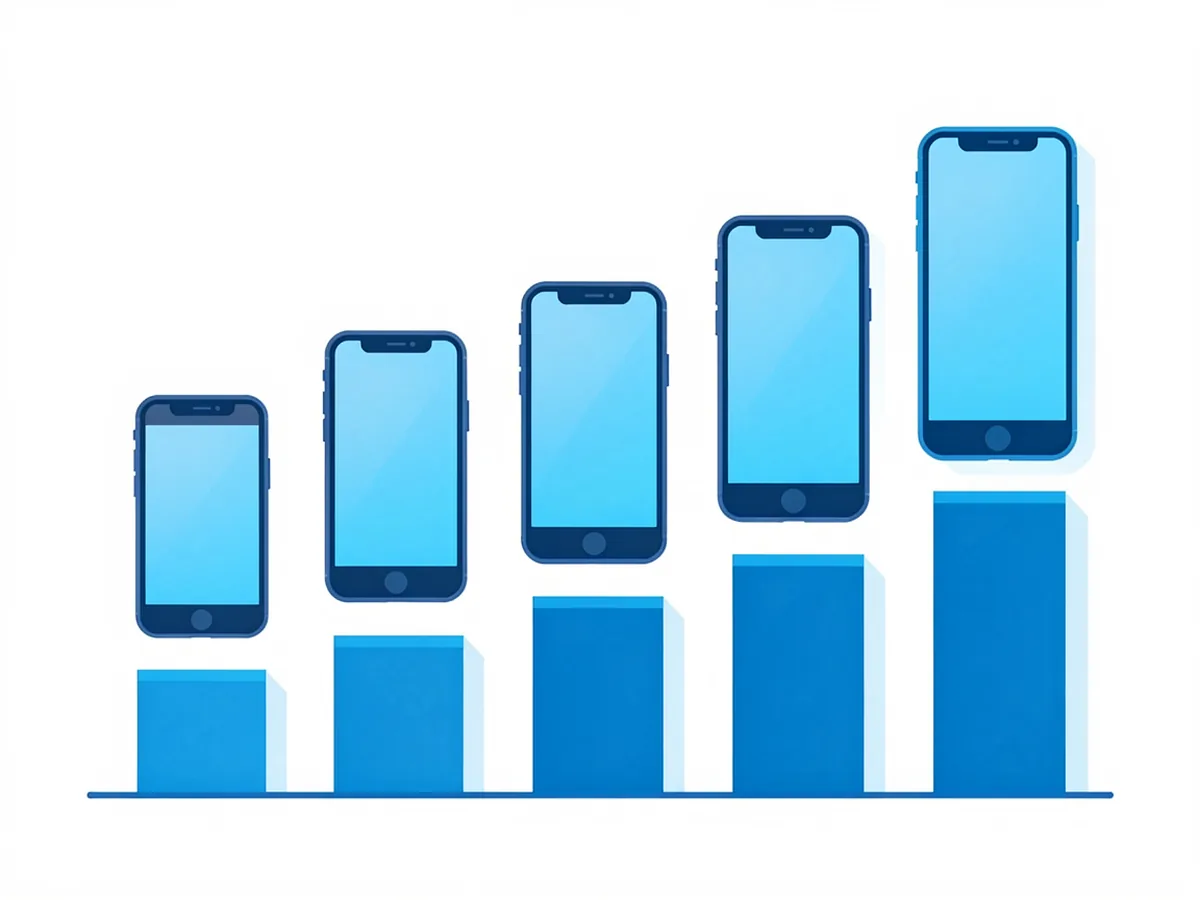
Official Apple routes tell a different story. At Apple Authorised Service Providers (iStore, Digicape and partners), out-of-warranty screen replacements generally run R2,999 to R10,500+, and genuine-screen pricing at authorised shops reaches roughly R12,799 for a 15 Pro Max (applerepair.co.za). Authorised shops often charge a premium — sometimes close to double — for the same original screen an independent specialist might fit.
These figures are aggregated from publicly published South African repair pricing (iassist, lailaipro, applerepair, pricesinsouthafrica, 2026). They fluctuate with supplier costs and the exchange rate, and they are not our prices. Confirm the exact model, grade and stock with whichever supplier you choose before committing.
Four things move the number more than anything else:
1. The model — and its display technology. An iPhone 8 with an LCD is cheap to repair. An iPhone 15 Pro Max with a flagship OLED is not. If you are unsure which panel your phone has, our iPhone LCD vs OLED guide explains the difference and why OLED panels cost far more to manufacture — a cost that carries straight through to the repair bill.
2. Screen grade. On the same phone, the gap between a genuine or OEM-pulled display and a budget aftermarket panel can be R1,000 to R3,000 or more. This single choice often explains why two shops quote wildly different prices for the “same” repair. We break the grades down below and in our OEM vs aftermarket guide.
3. Official Apple vs independent. Going through iStore or Digicape gets you a genuine Apple part and Apple’s calibration, but at a premium. Independent specialists can often fit a genuine or OEM-pulled screen for less — the trade-off is that calibration and warranty terms vary by shop.
4. Location and turnaround. Quotes in Sandton or Cape Town CBD tend to sit higher than in smaller towns, and a “while-you-wait” same-day job may carry a rush premium over a next-day booking.
This is where most confusion (and most overpaying) happens, so it is worth a quick map:
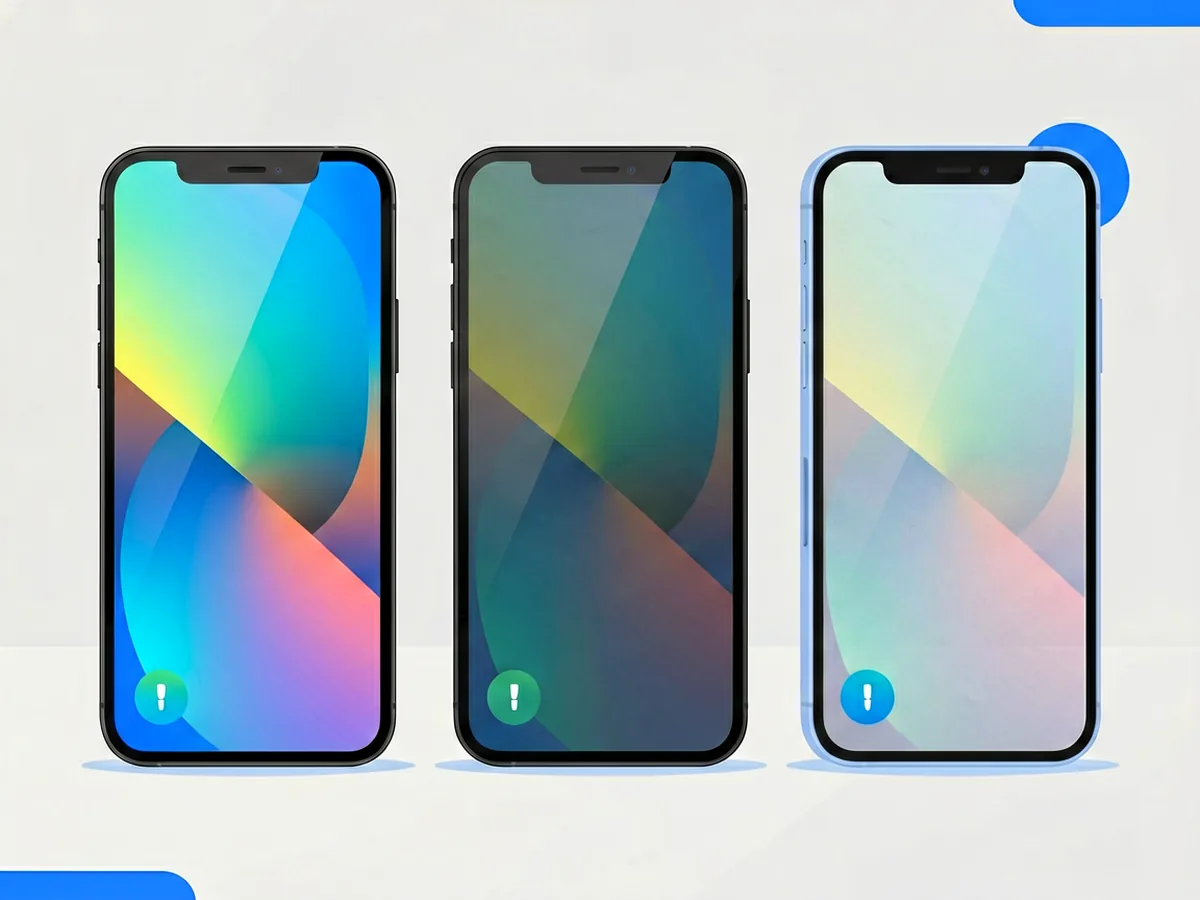
The practical takeaway: you are usually choosing between genuine/OEM-pulled and quality aftermarket — both legitimate. The budget fake is the one to avoid. After the repair, you can verify what was fitted in Settings → General → About → Parts and Service History (iOS 15.2 and later): a genuine, calibrated display shows as “Genuine”, while a quality aftermarket panel will typically show an “Unknown part” message — which affects trade-in value but does not stop the phone from working.
| Official Apple (iStore / Digicape) | Independent specialist | |
|---|---|---|
| Part | Genuine Apple display | Genuine, OEM-pulled, or quality aftermarket |
| Calibration | Apple system configuration (True Tone, pairing) | Varies — ask per shop |
| Price | R3,000 – R10,500+ out of warranty | R900 – R6,000 typical |
| Turnaround | Often a few days / booking | Often same-day |
| Best for | Newer models, resale value, peace of mind | Value, speed, flexibility on grade |
The official ranges above are drawn from published pricing at authorised outlets (pricesinsouthafrica.co.za). If your iPhone is under warranty or covered by AppleCare+, a cracked screen is a separate case: AppleCare+ carries a fixed excess (commonly around R500–R900 per screen claim, subject to the policy), while out-of-warranty repairs fall into the higher bands above.
If you are handy, you can buy just the screen. Third-party part-only prices in South Africa run roughly:
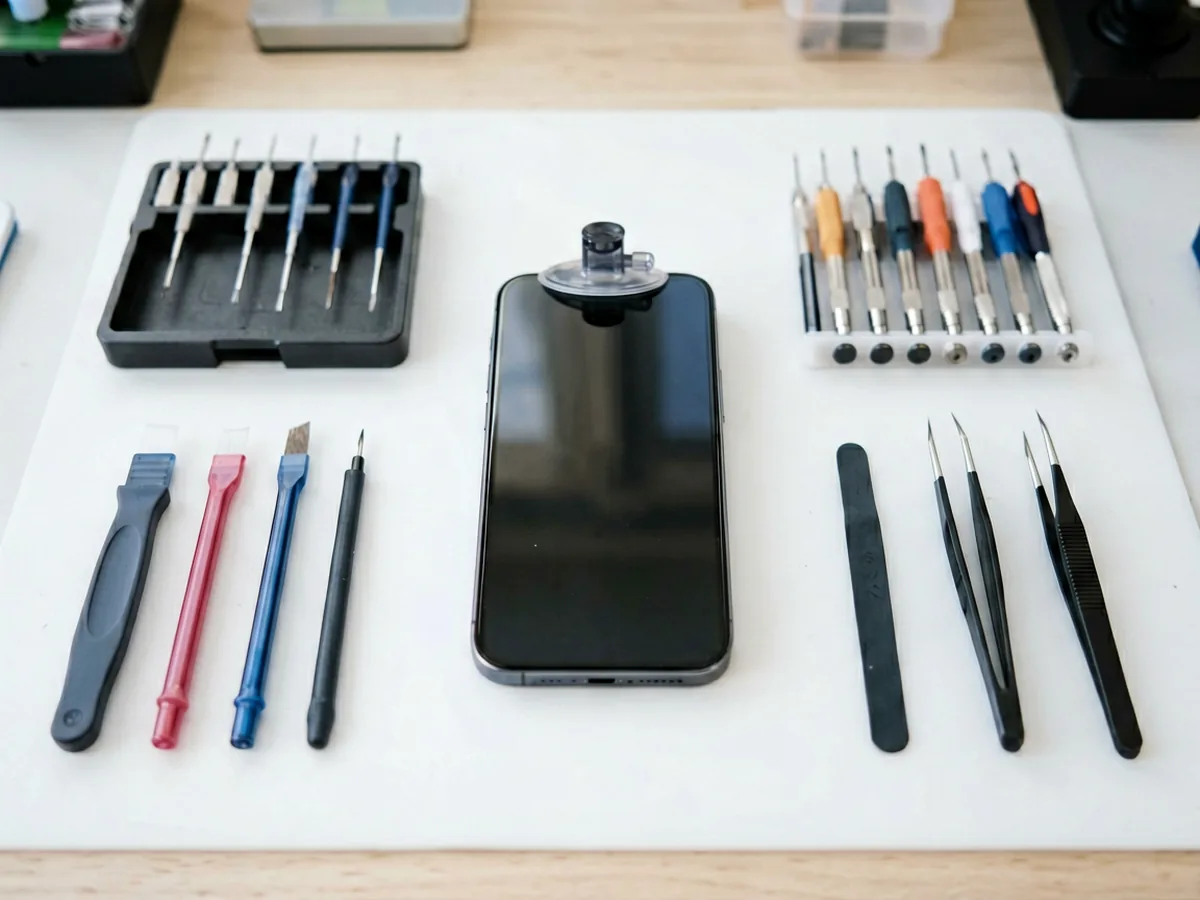
So the part alone can be a fraction of a full service. But “cheaper” assumes the repair goes right — and on modern iPhones it often does not:
Safety note: Never puncture, bend or heat a swollen battery to get the screen off. If the back is lifting or the phone will not lie flat, take it to a technician. A swollen cell is a fire risk.
For most people, the labour, calibration and warranty of a professional job are worth more than the saving — especially on OLED models. If you do go the DIY route, a quality screen and a proper tool kit are the two things worth not skimping on.
A proper quote should state, in writing:
What it usually does not include: a new battery, frame damage, or a phone that will not power on for unrelated reasons. If a shop is vague about grade or warranty, that is a red flag, not a bargain.
A screen replacement is one of the best-value fixes there is if the rest of the phone is sound — good battery, working camera, no board faults. You keep a device you already know, and you avoid the cost and e-waste of a new one.
It stops making sense when the repair bill plus other faults approaches the price of a refurbished replacement, or when the phone is so old that a fresh screen will not add meaningful life. Our repair-or-replace decision guide walks through that call step by step.
At an independent shop, roughly R900–R2,200 for older LCD models like the iPhone 8 or SE, and R2,500–R10,500+ for newer OLED models. Official Apple channels charge R2,999–R10,500+ out of warranty. All figures are 2026 third-party ranges and move with the exchange rate.
Usually repair — if the battery, camera and board are healthy. Once the screen bill plus other repairs approaches the price of a refurbished replacement, replacement wins. Check the device for other faults before committing to the screen alone.
Many independent shops offer around 3–6 months on the screen itself, but terms vary. Get the warranty length and what it covers in writing before the repair. Official Apple repairs carry Apple’s own service guarantee.
On iOS 15.2 or later, open Settings → General → About → Parts and Service History. A genuine, calibrated display shows “Genuine”; an aftermarket or unverified panel typically shows an “Unknown part” message. For a deeper walkthrough, see Apple’s Parts and Service History guide.
Information Notice: Product prices, availability and shipping options may change. This article is for general informational purposes. For current availability, specifications or delivery details, please use our Contact Us page.
Sorting a cracked screen right now? Browse our phone parts category for displays and repair essentials, or read our OEM vs aftermarket guide and LCD vs OLED comparison before you commit to a grade.
Compare this guide with our articles on checking whether an iPhone screen is original and iPhone LCD versus OLED screens. For DIY work, browse the repair tools category first.
You may also find our phone screen flickering guide and phone battery replacement cost guide useful. For current product availability and specifications, please use our Contact Us page.
Searchers comparing iPhone screen replacement cost in South Africa should ask whether the quote uses LCD, OLED, original-quality or compatible parts. Also confirm True Tone handling, Face ID safety, adhesive, warranty and repair time.
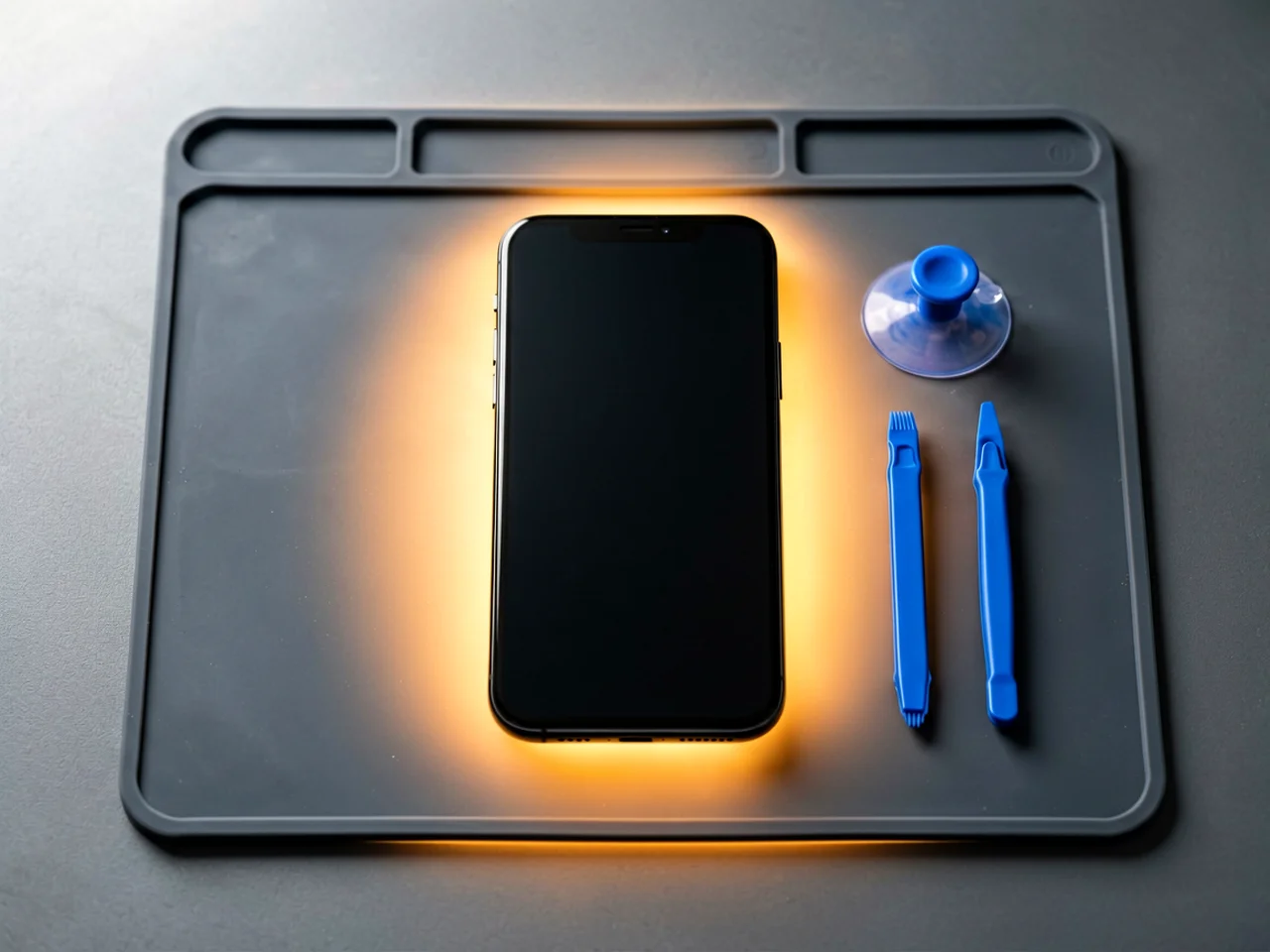
Most cracked phone panels don’t come from a shaky hand. They come from the wrong temperature. Heat the adhesive too little and the glass fights you until it snaps. Heat it too much, or in one spot, and you cook the panel underneath instead — which is how “repair” turns into “replace”. This guide is […]
You tap an app and nothing happens for ten seconds, then the whole screen freezes mid-animation. You wait, you tap again, the phone buzzes once and sits there. Sometimes a restart clears it for a day, sometimes it freezes again as soon as you open WhatsApp, and sometimes it started after an update or when […]

You open Maps or your taxi-hailing app, and the blue dot never settles, or it places you three streets away. You stand outside with a clear sky above you, and the phone still takes minutes to lock on, or it locks on and then drops your position into the middle of a field. Sometimes the […]
5 responses