
Here is the counter-intuitive part: when you buy a screwdriver set for phone repair, the set with the most pieces is rarely the one you will actually reach for. What matters is whether a handful of specific bit profiles are machined properly, whether the steel holds its edge, and whether the handle lets you keep steady pressure on a screw the size of a grain of rice. A disciplined 40-piece set beats a sloppy 150-piece one every time. This guide covers the bit types, materials and handles worth paying for in South Africa, what fair prices look like right now, and the ordering traps local buyers run into.
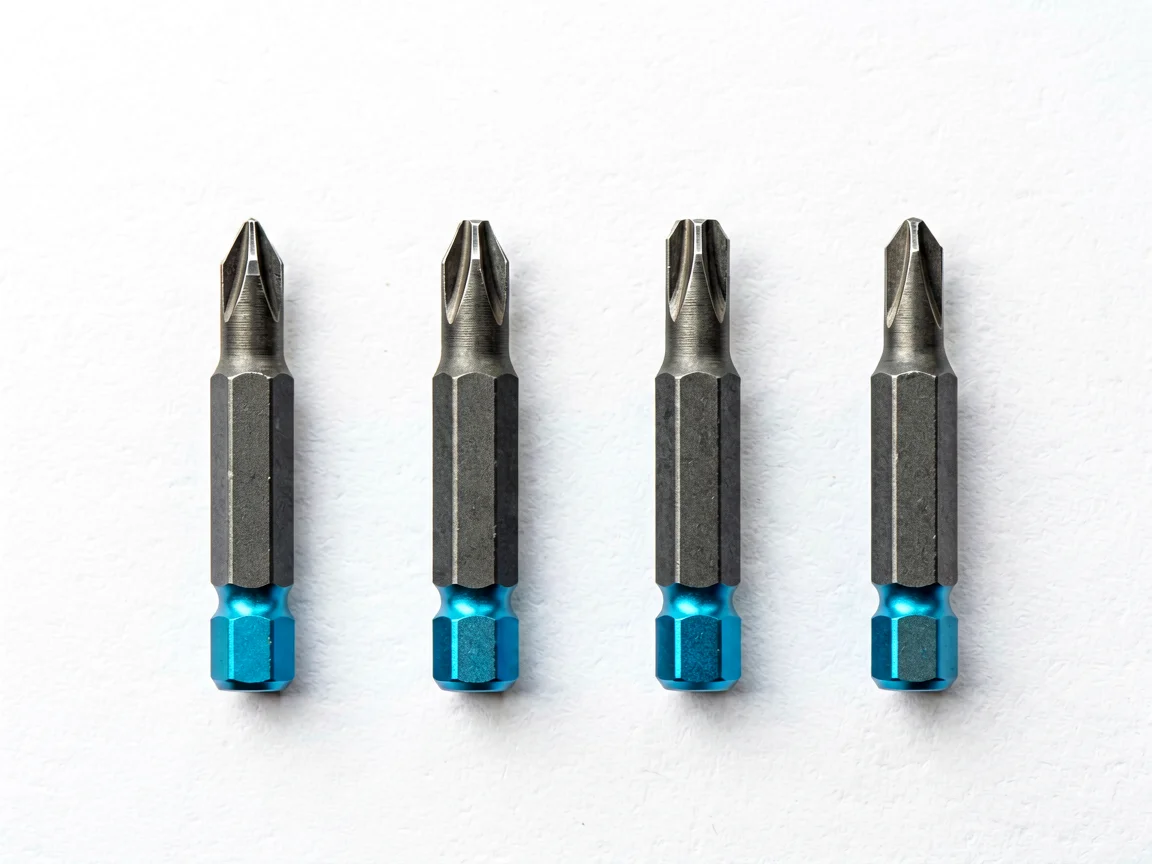
Phone manufacturers use a small family of screw heads, and a good set covers all of them. Marketing counts pieces; technicians count profiles. Here is what each one is for.
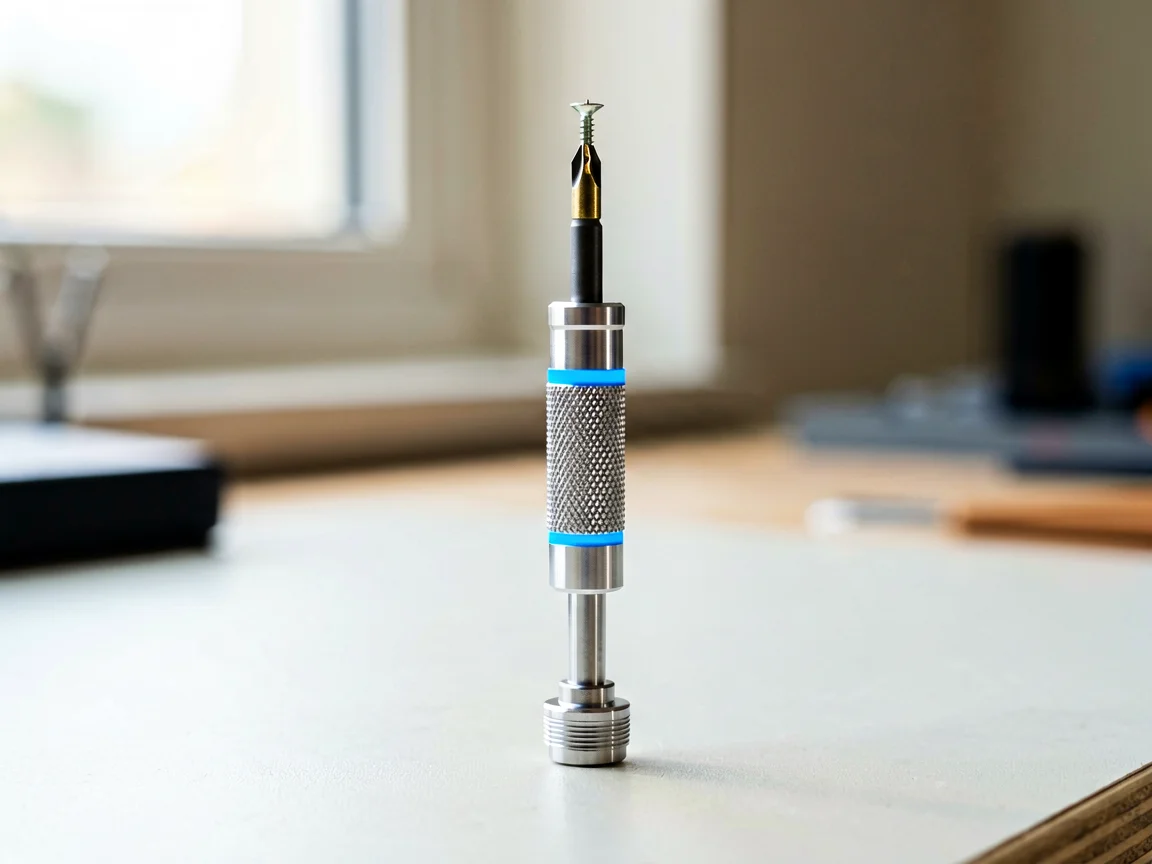
Cross-shaped Phillips screws still hold mid-frames, shields and brackets inside most Android phones, tablets and laptops. The sizes that matter for electronics run from PH000 (the smallest, for tiny phone screws) through PH00, PH0, PH1 and PH2. If your set only includes one Phillips size, it is the wrong set — a PH2 tip will destroy a PH000 screw head in one turn.
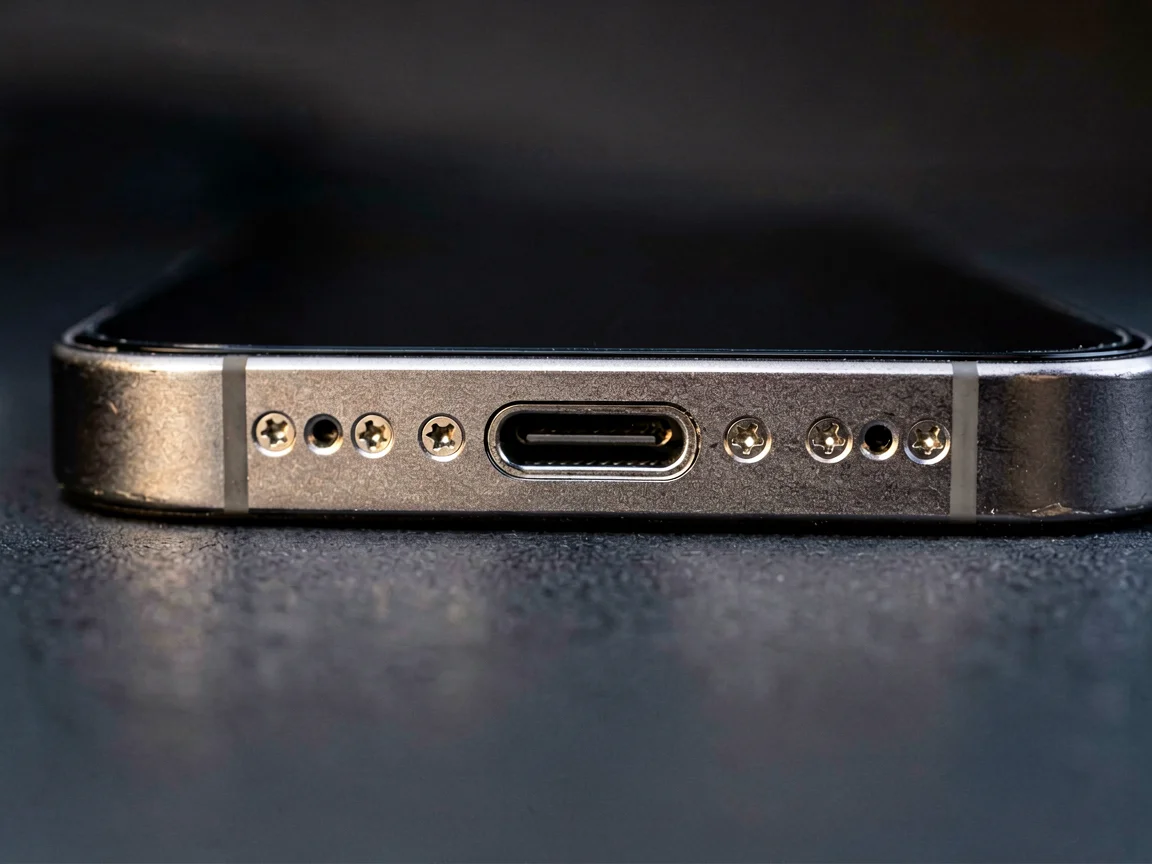
Since the iPhone 4, Apple has used five-lobed pentalobe screws on the exterior of its phones — specifically the P2 (0.8 mm) profile at the bottom port — so that a standard Phillips tip cannot open them. Pentalobe also appears inside Apple laptops in the P5 size. The practical takeaway: if you plan to open any iPhone, a P2 pentalobe bit is not optional, and it is the single most forgotten bit in cheap multipurpose sets.
Six-pointed star-shaped Torx screws hold drives, boards and battery assemblies across laptops, game consoles and an increasing share of phones. The small sizes T2 through T6 do most electronics work. Torx Security adds a centre pin — the “TR” sizes with a hole in the bit — and turns up on batteries and console hardware precisely because it resists casual opening. A bit set with both plain and security Torx from T2 to T15 covers phones, tablets and controllers at once.
Three more profiles show up often enough to matter. Y-shaped tri-wing bits are the classic Nintendo profile and appear in some chargers and appliances. Tri-point (Y000) screws hold internal brackets and connector covers inside recent iPhones — a different profile from tri-wing despite the similar name. And gamebit-style standoff bits open Nintendo and Sega console hardware. You will not use these daily, but the day you need them is the day you discover your set stopped at Torx.
Two bits can look identical and behave completely differently. The difference is steel and machining.
Quality precision bits are usually made from S2 tool steel, hardened to hold a precise tip under twisting loads. Chrome vanadium steel is tougher and cheaper, which makes it common on larger drivers and budget multipurpose sets, but it generally does not hold a fine tip as well as hardened S2 in small sizes. Neither steel is exotic — what matters is that the listing names the steel at all. A set that hides behind “durable alloy steel” is telling you something.
A stripped screw is almost never bad luck. It happens when the bit profile is one size off, when the bit is worn, or when you pull sideways while turning. Precision-machined tips seat fully into the recess and spread the turning force across all the lobes; poorly finished tips contact only the high points and round the head out. This is why the “count the profiles, not the pieces” rule exists — ten properly machined Phillips and pentalobe sizes will strip fewer screws than forty soft, roughly finished ones.
The handle does more work than the spec sheet suggests. Look for three things: a knurled metal grip so your fingers do not slip, a rotating end cap that lets you spin the driver with one finger while your other hand keeps it pressed in line, and a shaft that accepts the smallest bits without wobble. Weight matters less than balance — a handle that feels stable between two fingers at the tip end is the one that will keep bits seated in tiny screw heads.
Mildly magnetised bits are standard practice and safe for phone repair. The magnets are there to hold a screw to the bit across the gap to the hole — a convenience you will miss the first time you drop a P2 screw into a carpet. Modern phones use flash storage and solid-state components rather than magnetic drives, so a light magnetisation poses no realistic data risk. What you should avoid is a powerful magnet held against the speaker or camera module for any length of time. Keep the magnetism on the bit, not on the board.
| Set size | What it covers | Right for |
|---|---|---|
| Up to ~15 pieces | Core Phillips, a few Torx, flatheads | Occasional battery or shield work on Android devices |
| ~30–60 pieces | All core profiles incl. pentalobe, Torx Security, tri-point, plus pry tools | The sweet spot for a home repair bench |
| ~120+ pieces | Everything above plus console standoff bits, nut drivers, and many duplicates | Working technicians; overkill for a first set |
The honest answer for most people in South Africa is the middle row. A set in the 30-to-60-piece range with real S2 bits, every profile listed above and a usable handle will open every phone you own and leave money in your pocket. Big sets earn their size through duplicates and console-specific bits — valuable if you service hardware, padding if you do not.
Publicly listed prices in September 2026 give a fair map of the market: compact 7-in-1 precision drivers sit around R219, a well-known 58-piece brand-name set lists around R699, and a 60-in-1 kit with pry tools and a case lands near R885. Larger 120-piece-plus sets, usually imported through marketplaces, range from roughly R500 to R1,200 depending on steel and brand. Treat these as orientation points rather than quotes — listed prices change with the exchange rate and stock cycles, so always confirm the current price and the exact bit list before you buy.
Three local realities are worth planning around:
Once your screwdrivers are sorted, the rest of a capable bench follows the same logic — our beginner phone repair tool kit guide covers the pry tools, suction and tweezers that pair with these bits, and the broader phone repair tools overview maps every tool to the job it does. If your projects drift toward boards and ironwork, the soldering iron selection guide for South Africa picks up from there. To browse what is currently stocked, see the repair tools category, or use our Contact page if you are unsure which bits your device needs.
What screwdriver do I need to open an iPhone?
The two bottom screws beside the charging port are Apple’s five-pointed P2 pentalobe profile. For work inside the phone, you will also want a PH000 Phillips and a Y000 tri-point for internal brackets and connector covers.
What size Phillips screwdriver for a Samsung phone?
Most Samsung mid-frame and shield screws take PH000, with PH00 covering some larger components. Because the fit is so small, a PH00 used on a PH000 screw is what usually strips them — start with the smallest size that seats fully.
Is Torx the same as Torx Security?
No. Torx Security adds a small centre pin in the screw, so it needs a “TR” bit with a matching hole. A plain Torx bit cannot turn a security screw, though a security bit can turn a plain one.
Are more pieces in a screwdriver set always better?
No. Piece count mostly reflects duplicates and niche profiles. What matters is that the core profiles — Phillips in several sizes, pentalobe, Torx and Torx Security, and tri-point — are all present and machined from hardened steel.
Can magnetic screwdriver tips damage a phone?
Lightly magnetised bits are standard and safe for phone repair, because modern phones use flash storage rather than magnetic drives. Keep strong magnets away from the speaker and camera modules and you will be fine.
Disclaimer: This article is general buying guidance, not a repair instruction for any specific device. Prices mentioned are publicly listed at the time of writing, change frequently and do not constitute a quote — always confirm current price, contents and delivery terms with the seller before purchasing. For product availability and current stock, use our Contact page.
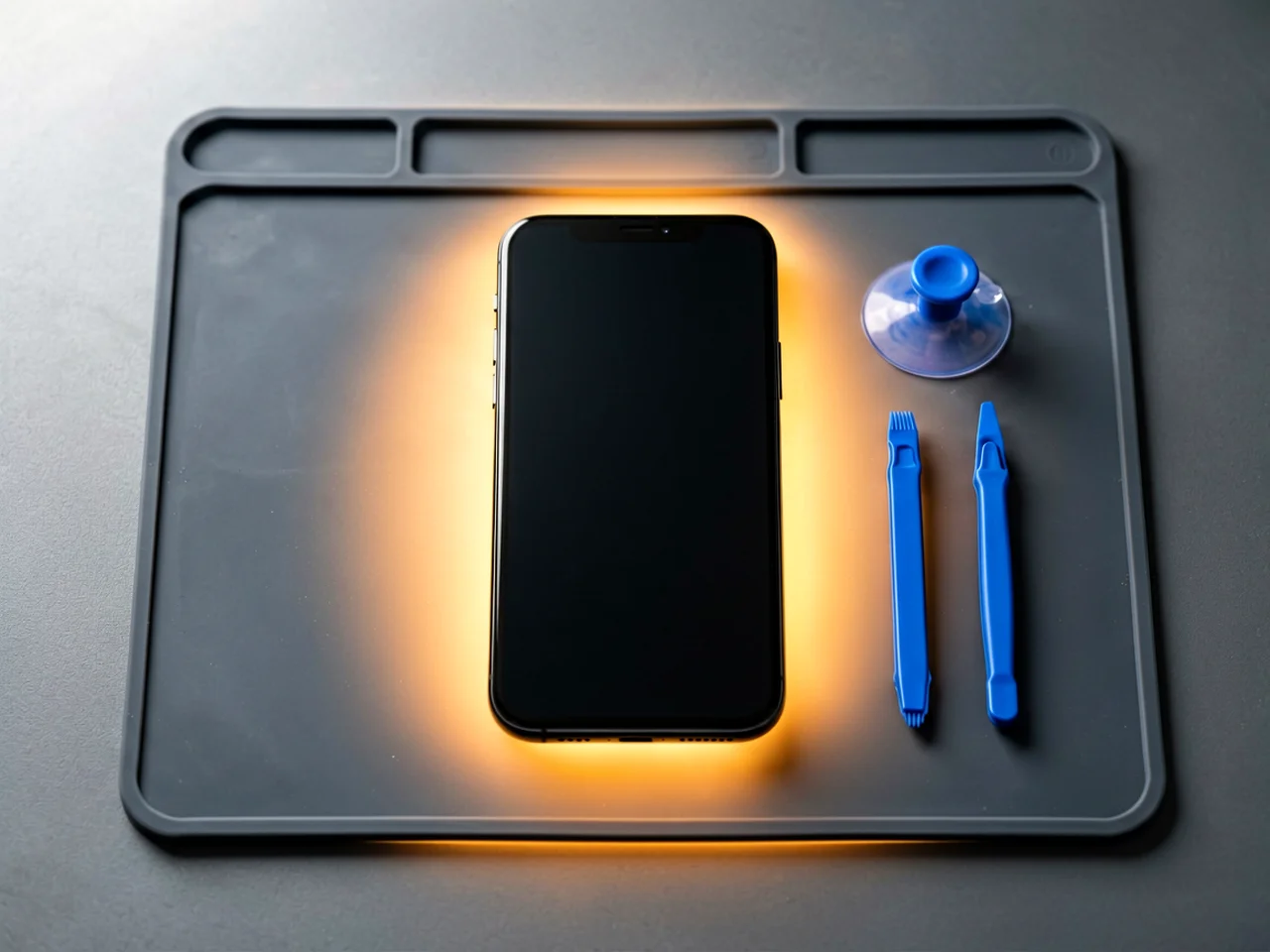
Most cracked phone panels don’t come from a shaky hand. They come from the wrong temperature. Heat the adhesive too little and the glass fights you until it snaps. Heat it too much, or in one spot, and you cook the panel underneath instead — which is how “repair” turns into “replace”. This guide is […]
You tap an app and nothing happens for ten seconds, then the whole screen freezes mid-animation. You wait, you tap again, the phone buzzes once and sits there. Sometimes a restart clears it for a day, sometimes it freezes again as soon as you open WhatsApp, and sometimes it started after an update or when […]

You open Maps or your taxi-hailing app, and the blue dot never settles, or it places you three streets away. You stand outside with a clear sky above you, and the phone still takes minutes to lock on, or it locks on and then drops your position into the middle of a field. Sometimes the […]