
Your iPhone screen just shattered. The instinctive reaction is panic — then the expensive one: “Do I go to Apple? Do I find a third-party shop? Or do I try to fix it myself?” The honest answer depends on three variables: your model, your budget, and how much damage there actually is.
This guide walks through the decision in plain South African terms — costs, timelines, and when DIY is worth the risk and when it isn’t.
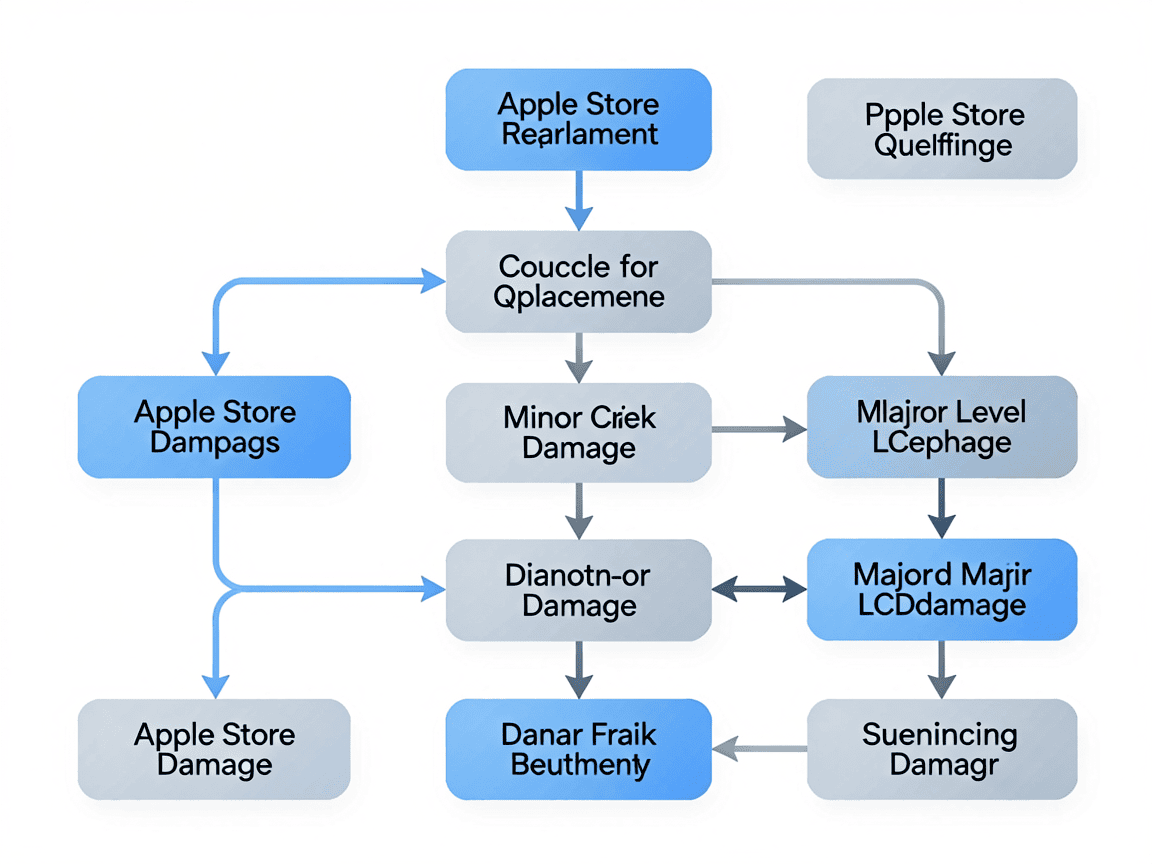
| Situation | Recommended route | Typical cost (ZAR) | Time |
|---|---|---|---|
| Under AppleCare+ or warranty | Apple Store or authorised provider | R0–R399 (service fee) | 1–2 hours |
| Minor crack, LCD intact | Third-party repair shop | R800–R1,800 | 30–60 minutes |
| Major crack, touch issues | Professional repair | R1,200–R3,500 | 1–2 hours |
| Water damage + cracked | Professional diagnosis first | R500–R2,000 diagnostic | Varies |
| Old model, extensive damage | Replace the device | R3,000–R6,000 (refurb) | Immediate |
If your iPhone is less than three years old and the damage is cosmetic only, repair almost always makes financial sense. If it’s an older model with LCD damage, replacement is usually the cleaner option.
A repair is the right call when:
In these cases, a third-party shop in a mall like Sandton City, Menlyn, or Fourways Mall can often complete the job in under an hour. The part is usually in stock because it’s a high-turnover model. Expect to pay between R800 and R1,800 depending on whether you choose original or high-grade compatible parts.
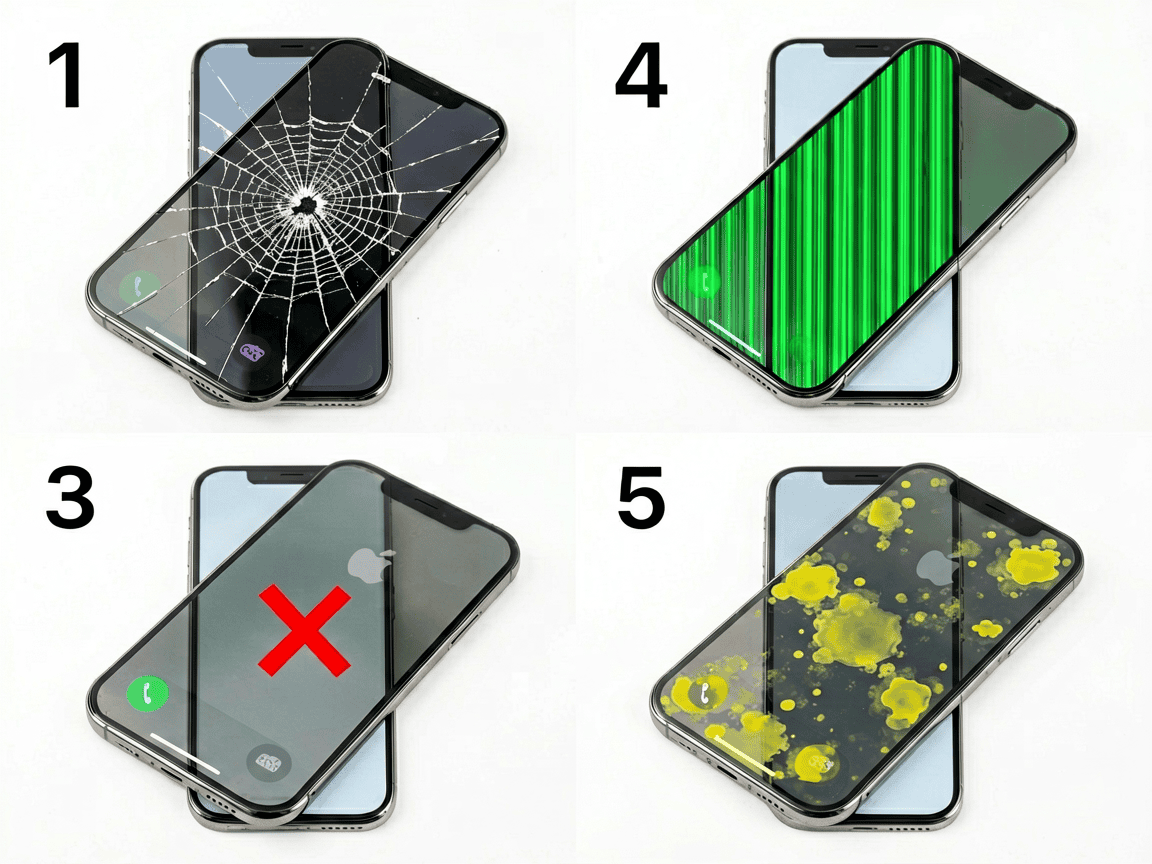
Replacement makes sense when:
A cracked screen on a functional iPhone 12 or newer is almost always worth repairing. A cracked screen on a battery-swollen iPhone 8 that also takes two hours to charge? That’s a replacement conversation.
DIY screen replacement is possible but comes with real risks that many people underestimate.
For a first-timer with a fused-screen iPhone (10th gen and newer), the risk-reward ratio tips toward professional repair. The tools kit costs R300–R600, and one mistake can turn a R1,200 repair into a R4,000 logic board replacement.
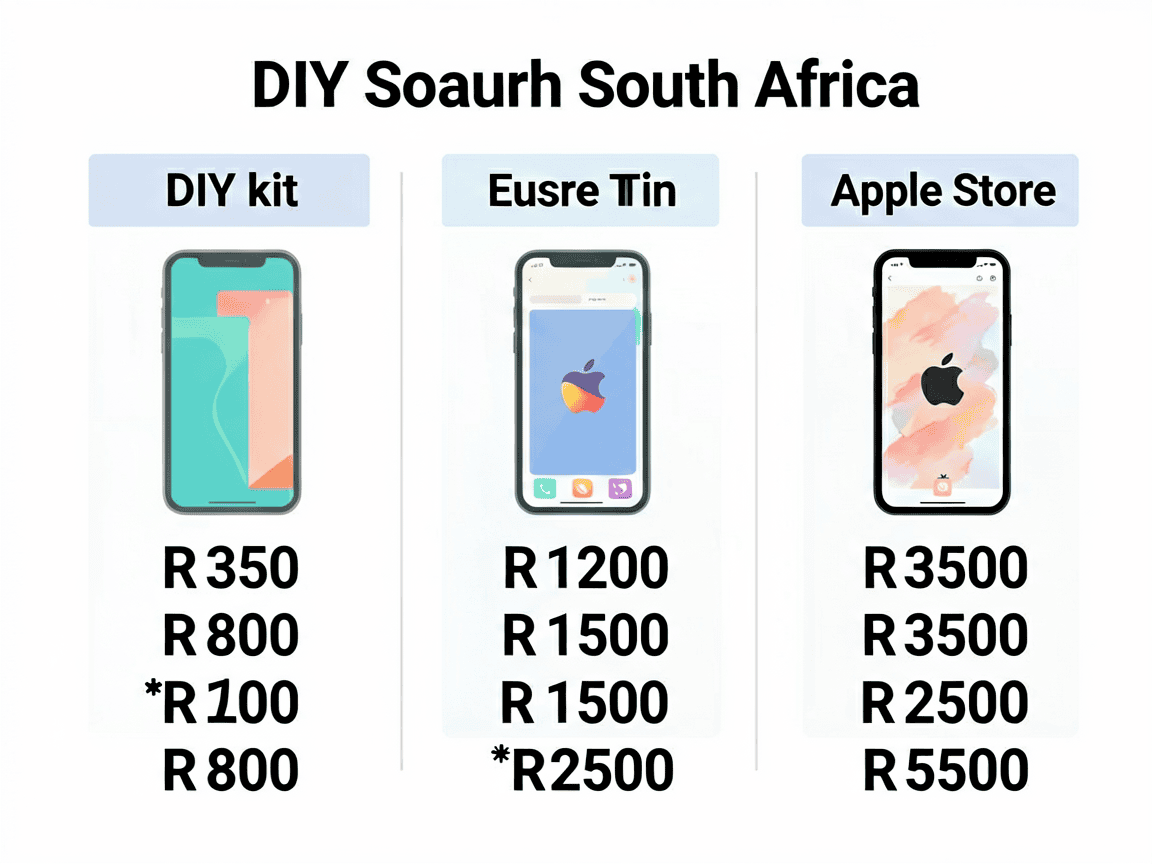
Prices vary significantly between providers. Here’s a realistic range for common models as of mid-2026:
| iPhone model | Third-party shop | Apple authorised | DIY part only |
|---|---|---|---|
| iPhone 11 | R800–R1,200 | R2,999+ | R400–R700 |
| iPhone 12 | R1,000–R1,500 | R3,499+ | R500–R900 |
| iPhone 13 | R1,200–R1,800 | R3,999+ | R600–R1,000 |
| iPhone 14 | R1,500–R2,200 | R4,499+ | R800–R1,200 |
| iPhone 15 | R1,800–R2,500 | R4,999+ | R1,000–R1,500 |
| iPhone SE (2nd/3rd gen) | R600–R900 | R1,999+ | R300–R500 |
These are guide figures based on market surveys from multiple South African repair providers. Individual quotes will vary by location, part quality tier, and current stock availability. Always ask whether the price includes labour and whether the part is original or compatible before committing.
Apple authorised providers include Apple Stores at Sandton City, Canal Walk (Cape Town), and Umhlanga (Durban), plus certified third-party partners like Cellular Connection and iStore. These use genuine parts and maintain a warranty on the repair itself — but they’re also the most expensive option.
Independent repair shops range from mall kiosks to specialist shopfronts. Look for ones that offer a warranty on both parts and labour (typically 3–6 months). Ask about part origin — some shops use original pulled parts from donor devices, which are actually a good middle ground between new original and aftermarket.
Mail-in services exist but add 3–5 business days plus courier time. For most people, a walk-in same-day repair at a mall kiosk is faster and equally reliable for standard screen replacements.
A standard iPhone screen replacement at a competent shop takes 20 to 45 minutes. More complex cases – fused screens on newer models or phones with additional damage – can run 60 to 90 minutes. Apple Store appointments often involve a drop-off and next-day collection rather than same-visit service.
If a shop promises a screen swap in 10 minutes, that’s a red flag. Proper screen replacement requires heating, careful separation, cleaning, re-adhesion, and testing. Rushed jobs are the ones that fail within weeks.
Not all repair providers are equal. Watch out for:
A good case with raised edges around the screen and a tempered glass protector costs a fraction of any repair. For an iPhone that lives in a bag with keys and sits on café tables, prevention isn’t just sensible — it’s economically dominant. Screen protectors scratch; they rarely crack. And a case with a lip that clears the glass edge means a face-down drop lands on the case, not the screen.
Is it worth repairing a cracked iPhone screen?
Yes, if the LCD and digitiser are still functioning properly. For iPhones less than three years old, repair typically costs 10–30% of a replacement device and restores full functionality.
How long does an iPhone screen replacement take?
At a third-party shop: 20–45 minutes for most models. At an Apple Store: usually next-day collection after an appointment. DIY: 30 minutes to 2 hours depending on experience.
Can I fix my own iPhone screen?
Technically yes, but the risk of damaging the LCD or flex cables is significant on fused-screen models (iPhone 10 and newer). Only attempt DIY if you have prior repair experience and accept the risk of making the damage worse.
How much does iPhone screen repair cost in South Africa?
Third-party shops charge R800–R2,500 depending on model and part quality. Apple authorised repairs start at R1,999 and go up to R4,999+ for newer Pro models. DIY parts alone range from R300–R1,500.
Will repairing my screen void the warranty?
Yes — any unauthorised repair voids Apple’s warranty and AppleCare+ coverage. If your iPhone is still under warranty, going through an authorised provider is the only way to preserve that coverage.
What’s the difference between original and compatible screen parts?
Original parts are pulled from donor iPhones or supplied by Apple — they match factory touch sensitivity, brightness, and colour. Compatible parts are third-manufactured alternatives that work functionally but may differ slightly in feel and longevity. For most users, high-grade compatibles are indistinguishable in daily use.
Cracked iPhone screen? Weigh up the model, the damage level, and the cost before deciding — and if you need tools for a DIY attempt, browse our repair tool kits.
Availability Notice: POTATOTECH is currently preparing its online store. Product availability and ordering options may change. For product or compatibility questions, use our Contact page.
This guide is for educational purposes. DIY repair carries real risk of damaging your device, and working with batteries, heat and electronics has safety implications. Always follow manufacturer guidelines where they exist, and when in doubt, hand the device to a qualified repair technician.
POTATOTECH is currently preparing its online store. Product names, specifications, pricing, stock levels and delivery options mentioned or linked above are indicative and subject to change. For the latest availability, specifications or shipping details, please use our Contact page. Nothing in this article constitutes a purchase offer or a commitment to supply.
Related reading: Is Your iPhone Screen Original? How to Tell in South Africa · iPhone LCD vs OLED: Which Screen Should You Choose · Best Phone Repair Tool Kit for Beginners in South Africa
Sources: [S1] GSM Arena — iPhone repair cost comparisons · [S2] TakeALot SA — consumer reports on third-party repair quality · [S3] iStore South Africa — authorised repair pricing · [S4] Apple Support — warranty and Apple Care+ terms · [S5] Computer Fixit SA — independent repair shop data
Related reading: Is Your iPhone Screen Original? · iPhone LCD vs OLED · iPhone Screen Replacement Cost
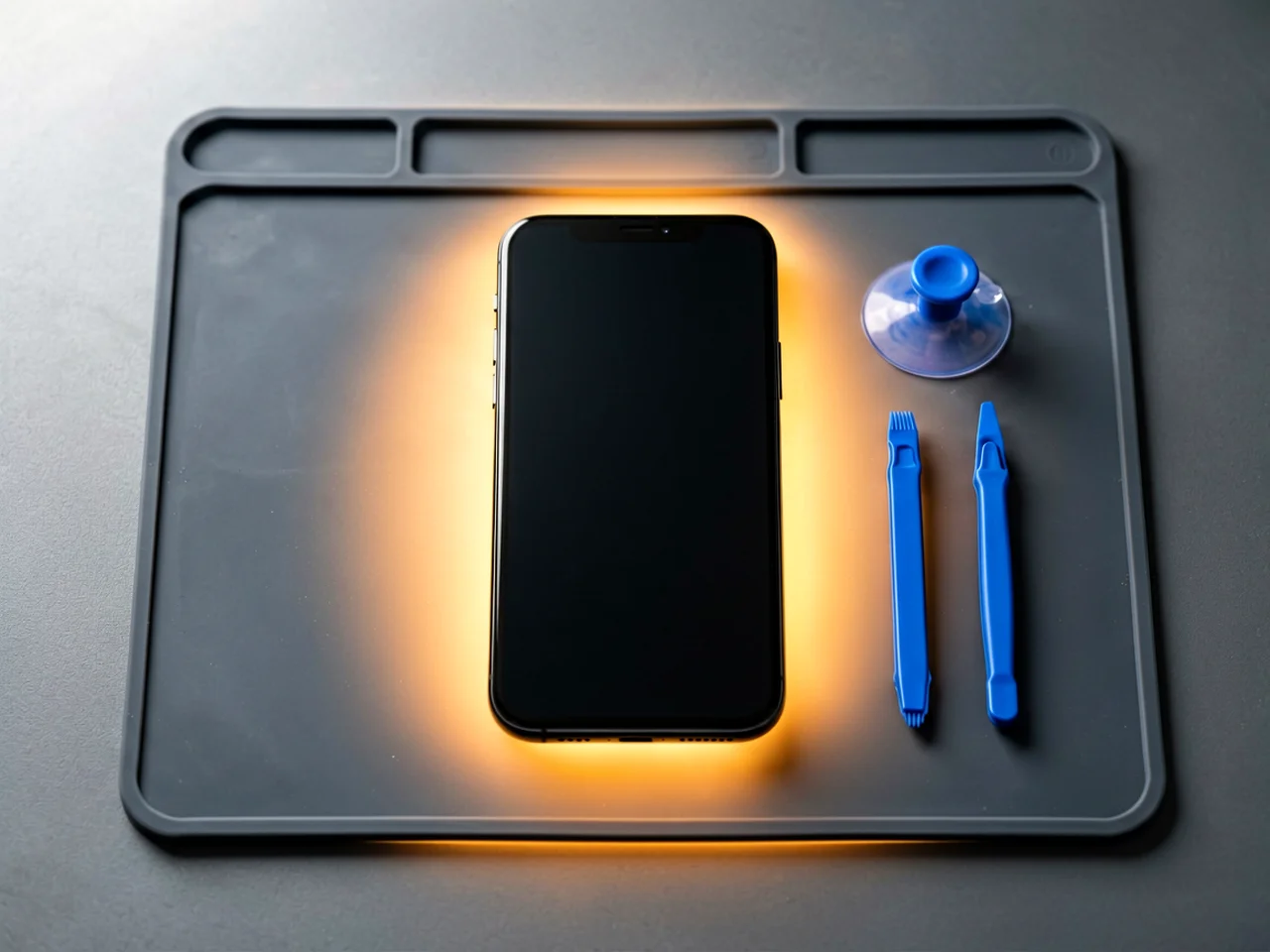
Most cracked phone panels don’t come from a shaky hand. They come from the wrong temperature. Heat the adhesive too little and the glass fights you until it snaps. Heat it too much, or in one spot, and you cook the panel underneath instead — which is how “repair” turns into “replace”. This guide is […]
You tap an app and nothing happens for ten seconds, then the whole screen freezes mid-animation. You wait, you tap again, the phone buzzes once and sits there. Sometimes a restart clears it for a day, sometimes it freezes again as soon as you open WhatsApp, and sometimes it started after an update or when […]

You open Maps or your taxi-hailing app, and the blue dot never settles, or it places you three streets away. You stand outside with a clear sky above you, and the phone still takes minutes to lock on, or it locks on and then drops your position into the middle of a field. Sometimes the […]
6 responses